Protect Your Health: The Senior Citizens Air Quality Guide
After 65, your lungs filter pollutants less effectively and your immune system is more vulnerable. The air inside your home should protect you, not put you at risk. This guide shows you how.
Americans 65+
Respiratory Risk
Time Indoors
Lung Capacity Lost
Why Air Quality Matters More After 65
Aging fundamentally changes how your body interacts with indoor air pollutants. After 65, your lungs lose up to 30% of their capacity, the tiny cilia that sweep particles out of your airways become less effective, and your immune system produces fewer infection-fighting cells. The same air that a younger person breathes without issue can cause significant health problems for a senior.
Making matters worse, many seniors take multiple medications -- blood pressure drugs, immunosuppressants, corticosteroids -- that can interact with airborne pollutants. Some medications dry out the respiratory tract, reducing its natural defenses. Others suppress immune responses, making infections from airborne mold and bacteria more likely and more dangerous.
Three Critical Changes After 65
Declining Lung Function
Reduced lung capacity and weakened cilia make it harder to expel inhaled pollutants
Immune System Decline
Fewer T-cells and antibodies mean less defense against airborne pathogens
Medication Interactions
Common senior medications can amplify the effects of indoor air pollutants
Common Health Conditions Affected by Indoor Air
These six conditions are among the most prevalent in adults over 65, and all of them are directly impacted by the quality of the air inside your home.
COPD & Chronic Bronchitis
Over 16 million Americans are diagnosed with COPD, with the highest prevalence in adults over 65. Contaminated air ducts constantly deliver particulate matter, mold spores, and dust directly into already-compromised airways, triggering flare-ups and accelerating lung function decline.
Late-Onset Asthma
Asthma newly diagnosed after age 65 is more common than many realize and is often triggered by indoor air pollutants. Dirty ductwork recirculates the exact irritants -- dust mites, mold, and dander -- that provoke bronchospasm in sensitive airways.
Heart Disease & Cardiovascular
Fine particulate matter (PM2.5) from contaminated ducts enters the bloodstream through the lungs, triggering inflammation that increases risk of heart attacks and strokes. Seniors with existing heart conditions face significantly elevated risk from poor indoor air.
Weakened Immune System
Age-related immune decline (immunosenescence) means seniors are less able to fight off airborne pathogens. Mold spores, bacteria, and other biological contaminants in dirty ductwork pose a real infection risk, particularly for those on immunosuppressive medications.
Allergies & Sinus Problems
Chronic sinusitis and allergy symptoms are frequently undertreated in seniors, often dismissed as normal aging. Removing the allergen reservoir from your ductwork can dramatically reduce nasal congestion, post-nasal drip, and sinus headaches.
Sleep Disruption & Cognitive Health
Poor air quality disrupts sleep quality, which is critical for cognitive health in seniors. Airborne particulates and mold spores cause nighttime coughing, nasal congestion, and general respiratory discomfort that fragment sleep patterns and may contribute to cognitive decline.
Senior-Specific Air Quality Risks in DMV Homes
The Washington DC, Maryland, and Virginia area presents unique challenges for senior homeowners. Older housing stock, high humidity, and urban pollution create a combination of risks that specifically endanger elderly residents.
Older Homes with Asbestos
Many homes in the DMV built before 1980 have asbestos-containing duct insulation and pipe wrapping. As these materials age and deteriorate, microscopic asbestos fibers can become airborne and circulate through your HVAC system, creating a serious inhalation hazard for seniors with reduced lung capacity.
Lead Paint Dust Accumulation
Pre-1978 homes throughout DC, Arlington, Bethesda, and Silver Spring may harbor decades of lead paint dust inside their ductwork. Each HVAC cycle can redistribute these particles into living spaces, posing neurological and cardiovascular risks especially dangerous for older adults.
Aging HVAC Systems
HVAC systems older than 15-20 years -- common in established DMV neighborhoods -- accumulate decades of biological and chemical contaminants. Corroded ductwork develops gaps and cracks that draw in attic dust, crawl space moisture, and wall cavity debris.
DMV Humidity & Mold Growth
The Washington DC metro area averages 64% relative humidity, creating ideal conditions for mold colonization inside ductwork. Seniors who spend 90% of their time indoors breathe in these mold spores continuously, increasing risk of respiratory infections and allergic reactions.
Temperature Extremes & Sealed Homes
Hot, humid DMV summers and cold winters mean homes are sealed tight for months. Without fresh air exchange, indoor pollutant concentrations can reach 2-5 times outdoor levels. Seniors who rarely leave home are exposed to these elevated pollutant levels around the clock.
Urban Pollution Infiltration
Homes near major DC-area highways, the Beltway, and industrial zones pull vehicle exhaust, tire particulates, and industrial pollutants into HVAC systems. These fine particles lodge deep in aging lungs and compound existing respiratory conditions common in seniors.
The Senior Home Air Quality Checklist
Eight practical steps every senior homeowner can take to monitor and improve indoor air quality. Print this list and check off each item, or ask a family member to help.
Check Vent Covers for Visible Dust
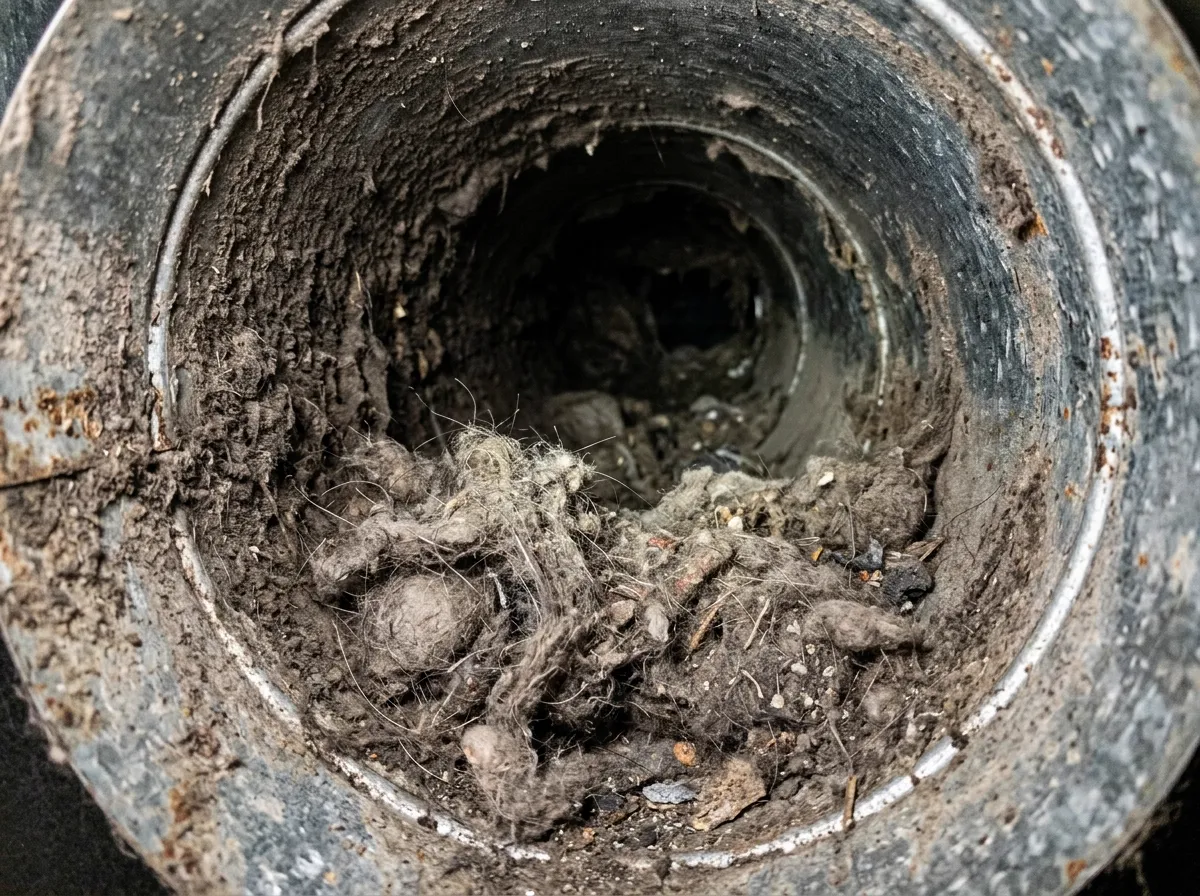
Remove a vent cover and look inside with a flashlight. Dark buildup, visible dust clumps, or any musty smell means your ducts need professional attention.
Replace HVAC Filters Regularly
Mark your calendar to change filters every 60-90 days. For seniors with respiratory conditions, every 30-60 days is ideal. Ask a family member or our team for help if filter access is difficult.
Monitor Indoor Humidity Levels
Keep a digital hygrometer in your main living area. Ideal indoor humidity is 30-50%. Above 50% promotes mold growth; below 30% dries airways and worsens respiratory symptoms.
Listen for HVAC Unusual Noises
Rattling, whistling, or banging sounds from your ductwork can indicate loose connections, debris blockages, or deteriorating duct material that needs professional inspection.
Check Carbon Monoxide Detectors
Ensure CO detectors are on every level of your home and have fresh batteries. Older furnaces and water heaters can develop cracks that leak carbon monoxide, which is especially dangerous for seniors.
Inspect Around Window and Door Seals
Gaps in seals allow outdoor pollutants, pollen, and moisture to enter your home. Weather stripping is inexpensive and can significantly improve your indoor air quality.
Schedule Annual Professional Duct Inspection
Even if your ducts look clean from the vent covers, contamination builds deep inside the system where you cannot see. Annual professional inspection is the only way to know the true condition of your ductwork.
Review Your HVAC Maintenance History
If you cannot remember the last time your ducts were cleaned, or if it has been more than 3 years, schedule a free inspection. Seniors with respiratory conditions should have ducts cleaned annually.
Need Help With Your Checklist?
Our team can perform a comprehensive inspection covering every item on this checklist -- completely free for senior homeowners in the DMV area.
Understanding MERV Ratings for Senior Health
Not all air filters are created equal. MERV (Minimum Efficiency Reporting Value) measures how effectively a filter captures airborne particles. For seniors with respiratory conditions, the right filter rating can mean the difference between breathing comfortably at home and constant symptom flare-ups.
We recommend MERV 13 for most senior households. It captures 98% of particles down to 0.3 microns, including bacteria, virus carriers, fine allergens, and smoke particles. However, older HVAC systems may not support the air resistance of a MERV 13 filter. Our technicians can assess your system and recommend the optimal filter rating during a free inspection.
When to Consider HEPA
For seniors with severe COPD, oxygen dependency, or active cancer treatment with compromised immunity, a standalone HEPA air purifier in the bedroom provides the highest level of protection. HEPA filters capture 99.97% of particles at 0.3 microns. While whole-house HEPA systems exist, they require HVAC modifications. A portable HEPA unit in your most-used rooms is often the most practical solution.
MERV 8
MERV 11
MERV 13
RecommendedHEPA
Our Senior-Friendly Service Experience
We understand that inviting service providers into your home requires trust. Our team is specifically trained to provide a comfortable, respectful, and hassle-free experience for senior homeowners.
Courteous, Patient Technicians
Our team is trained to work with senior homeowners. We take time to explain every step, answer all questions, and never rush through the process. Your comfort matters to us.
No Physical Effort Required
You do not need to move furniture, climb stairs, or do any preparation. Our technicians handle everything including moving and replacing vent covers, furniture repositioning, and complete cleanup.
Flexible Scheduling
We offer morning, afternoon, and weekend appointments to accommodate your routine. We can also coordinate timing around caregiver visits, medication schedules, or medical appointments.
Clean Workspace Guarantee
We lay down protective floor coverings, wear shoe covers inside your home, and leave every area cleaner than we found it. You will never find dust or debris left behind after our service.
Clear Communication
We call 30 minutes before arrival, provide a written estimate before any work begins, and give you a detailed report of findings after service. No surprises, no hidden fees.
Thorough Post-Service Walkthrough
After completing the work, our technician walks you through everything that was done, shows you before-and-after photos of your ductwork, and answers any remaining questions about maintaining your air quality.
"The technicians were so patient and respectful. They explained everything clearly, moved all the furniture themselves, and left my home spotless. I have COPD and noticed a real difference in my breathing within a day. I wish I had called sooner."
Margaret T., Silver Spring, MD
Age 74, COPD patient
Medicare, Insurance & Senior Discounts
We believe clean indoor air should be accessible to every senior in the DMV area. While air duct cleaning is classified as home maintenance rather than a medical procedure, there are several ways to make the service more affordable.
Medicare Coverage
Traditional Medicare (Parts A & B) does not cover air duct cleaning. However, some Medicare Advantage (Part C) plans include home health and wellness benefits that may partially cover air quality services. Check your specific plan benefits or call your plan provider.
Homeowner Insurance
If your duct contamination is the result of a covered event (such as water damage, fire, or mold remediation), your homeowner insurance may cover the duct cleaning as part of the claim. We provide detailed documentation for insurance submissions.
Our Senior Discount Program
We offer a dedicated senior discount for homeowners age 65 and older throughout the DMV area. Contact us to learn about current promotions and bundled service options designed specifically for senior households.
Flexible Payment Options
We offer multiple payment methods and can work with you on a payment schedule that fits your budget. We also accept FSA/HSA payments where eligible and provide detailed invoices for potential medical expense deductions.
Why Seniors Choose DMV Air Pure
10,000+
Senior Households Served
100%
Satisfaction Guarantee
15 min
Average Response Time
$2M
Fully Insured Coverage
A+
BBB Rating
301+
DMV Locations Served
Custom quote tailored to your home and health needs
Senior Air Quality FAQ
Answers to the most common questions we receive from senior homeowners and their families about indoor air quality and duct cleaning.
Breathe Easier Starting Today
Your health is too important to breathe contaminated air. Get a free air quality assessment from our senior-friendly team. No obligation, no pressure -- just honest answers about your indoor air.