Stop Suffering: How Clean Air Ducts End Your Allergy Nightmare
Your HVAC system recirculates dust mites, pollen, mold, and pet dander through your home 5-7 times every single day. Professional duct cleaning removes the allergen reservoir at the source.
Report Improvement
Allergen Types
Time Spent Indoors
Daily Recirculation
How Your HVAC System Fuels Your Allergies
Your air ducts are not just passive pathways -- they are active allergen distribution systems. Every time your HVAC cycles on, it pulls allergen-laden air through return vents, past contaminated duct walls, and pushes it back into every room of your home. This happens 5-7 times per day in a typical household.
The average home collects up to 40 pounds of dust annually inside its ductwork. That dust is not just dirt -- it contains concentrated colonies of dust mites, pollen grains, mold spores, pet dander proteins, and other biological allergens that trigger immune responses in sensitive individuals.
The Allergen Recirculation Cycle
Allergens enter through windows, doors, shoes, and pets
Return vents pull contaminated air into the duct system
Allergens accumulate on duct walls, bends, and junctions
Each HVAC cycle dislodges particles back into airflow
Supply vents distribute allergens to every room in your home
You breathe recirculated allergens 5-7 times daily
Top Indoor Allergens in DMV Homes
The Washington DC metro area has unique geographic and climate factors that make these 8 allergens especially problematic for local homeowners.
Dust Mites
Microscopic arachnids that feed on dead skin cells. Their fecal pellets are the #1 indoor allergen trigger, and ducts create an ideal dark, warm habitat for colonies to thrive.
Pollen (Cherry Blossoms & Trees)
The DMV is famous for cherry blossom season, but oak, birch, and maple pollen also infiltrate your ductwork March through May, recirculating long after outdoor pollen counts drop.
Ragweed Pollen
A single ragweed plant produces up to 1 billion pollen grains per season. In the DMV, ragweed season runs August through October and pollen gets trapped deep inside ductwork.
Mold Spores
The Potomac basin humidity makes the DMV a hotspot for mold. Spores enter your HVAC system and colonize damp duct interiors, releasing mycotoxins into your breathing air year-round.
Pet Dander
Proteins from pet skin, saliva, and urine become airborne and accumulate in ductwork. They remain allergenic for months and are recirculated 5-7 times daily by your HVAC system.
Cockroach Debris
Cockroach saliva, feces, and body fragments are potent allergens found in many DMV homes. These particles accumulate in ductwork and trigger asthma attacks in sensitive individuals.
Rodent Droppings
Mouse and rat urine proteins and fecal matter inside ductwork are powerful allergens. Older homes in DC and surrounding suburbs are particularly susceptible to rodent contamination in HVAC systems.
VOCs & Secondhand Smoke Residue
Volatile organic compounds and smoke residue adhere to duct walls and off-gas into your air supply. These chemical irritants worsen allergic reactions and cause headaches, fatigue, and respiratory distress.
Free camera inspection shows exactly what is in your ducts.
Symptom Severity Chart: Is Your Home the Cause?
All of these symptoms are linked to contaminated air ducts. Identify your severity level to understand the urgency of professional cleaning.
Mild Symptoms
Schedule CleaningModerate Symptoms
Clean SoonSevere Symptoms
Clean ImmediatelyExperiencing 3 or more symptoms?
Your air ducts are very likely contributing to your discomfort. A free camera inspection can confirm the contamination level.
DMV Allergy Season Calendar
Month-by-month breakdown of what allergens are active in the Washington DC metro area and how they interact with your HVAC system.
January
Indoor dust mites, mold
Sealed homes trap allergens. Peak indoor exposure.
February
Indoor dust mites, mold
Heating systems run constantly, circulating duct contaminants.
March
Tree pollen begins, indoor mold
Cherry blossoms, oak, and maple pollen season begins in DC.
April
Tree pollen peak, grass starts
Peak cherry blossom and tree pollen. Worst month for tree allergies.
May
Tree + grass pollen overlap
Double exposure: tree pollen finishing, grass pollen ramping up.
June
Grass pollen peak
Grass pollen at maximum. Humidity begins rising, feeding mold.
July
Grass pollen, mold surge
DMV humidity creates ideal mold conditions indoors and out.
August
Ragweed begins, mold
Ragweed season starts. Combined with mold, this is brutal.
September
Ragweed peak, mold
Peak ragweed pollen counts. Worst fall allergy month in DMV.
October
Ragweed fading, mold spikes
Falling leaves create mold. Transition to sealed indoor air.
November
Indoor mold, dust mites rising
Windows close for winter. Indoor allergen levels start climbing.
December
Indoor dust mites, mold
Heating running 24/7, recirculating everything in your ducts.
The Best Time to Clean Your Ducts?
Ideally before peak allergy seasons. We recommend early March (before tree pollen) and late July (before ragweed). However, if you are suffering now, any time is the right time to remove the allergen load from your ductwork.
The Complete Anti-Allergy Action Plan
Eliminating indoor allergies requires a layered approach. Air duct cleaning removes the largest allergen reservoir, but combining it with these additional measures creates a comprehensive defense system for your home.
Professional Duct Cleaning
CriticalRemove the allergen reservoir. Our HEPA extraction removes 99.97% of particulates from your entire duct system, eliminating years of accumulated dust mites, pollen, and mold.
HEPA-Grade Filtration
HighUpgrade to MERV 13 filters to capture 0.3-micron particles including bacteria, smoke, and fine allergens. Change every 30-60 days for allergy sufferers.
Humidity Control (30-50%)
HighDust mites die below 50% humidity and mold cannot grow below 60%. A whole-home dehumidifier is one of the most effective anti-allergy investments.
Regular Filter Changes
MediumSet calendar reminders. Standard homes: every 90 days. Allergy homes: every 30-60 days. Multi-pet allergy homes: every 30 days minimum.
Mattress & Pillow Encasements
MediumAllergen-proof encasements create a physical barrier between you and dust mites in your bedding, where you spend 8 hours per night.
HEPA Vacuum & Surface Cleaning
MediumVacuum with a sealed HEPA filter 2-3 times weekly. Focus on areas near vents, under furniture, and high-traffic zones where allergens concentrate.
"I went from taking Claritin every single day to not needing it at all. The duct cleaning was the only thing I changed. I wish I had done this years ago."
-- Maria S., Bethesda MD
MERV Ratings: Which Filter Do You Need?
The right air filter is your first line of defense between duct cleanings. Here is how MERV ratings translate to allergy protection.
MERV 8
3.0 - 10.0 microns
Captures: Large pollen, dust mites, mold spores
Best For:
No allergies, basic filtration
MERV 11
1.0 - 3.0 microns
Captures: Fine dust, pet dander, mold, smaller pollen
Best For:
Mild allergies
MERV 13
0.3 - 1.0 microns
Captures: Bacteria, smoke, fine allergens, all pollen
Best For:
Moderate to severe allergies
HEPA
0.3 microns+
Captures: 99.97% of all airborne particles
Best For:
Severe allergies, asthma, immunocompromised
UV-C Light Systems
UV-C germicidal lights installed inside your HVAC system neutralize biological allergens (mold, bacteria) as air passes through. They work best as a complement to duct cleaning and proper filtration -- not a replacement. UV lights do not remove particulate allergens like dust or pollen.
Real Results From Real Allergy Sufferers
Every client receives before and after photo documentation. Here is what our allergy-focused cleanings reveal.
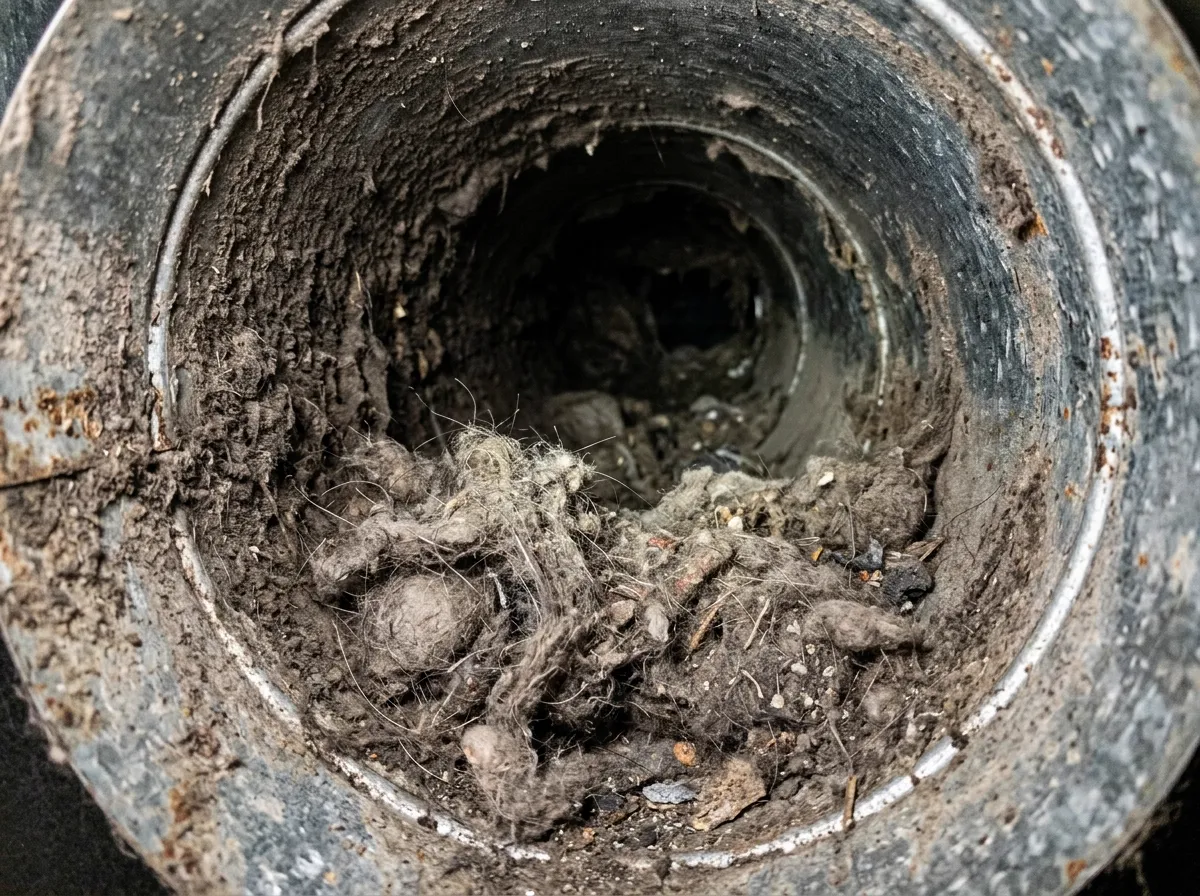
Thick layers of dust, visible mold growth, and allergen-laden debris coating the interior walls of a residential duct system. This homeowner in Silver Spring, MD reported daily sneezing, headaches, and poor sleep for over two years.
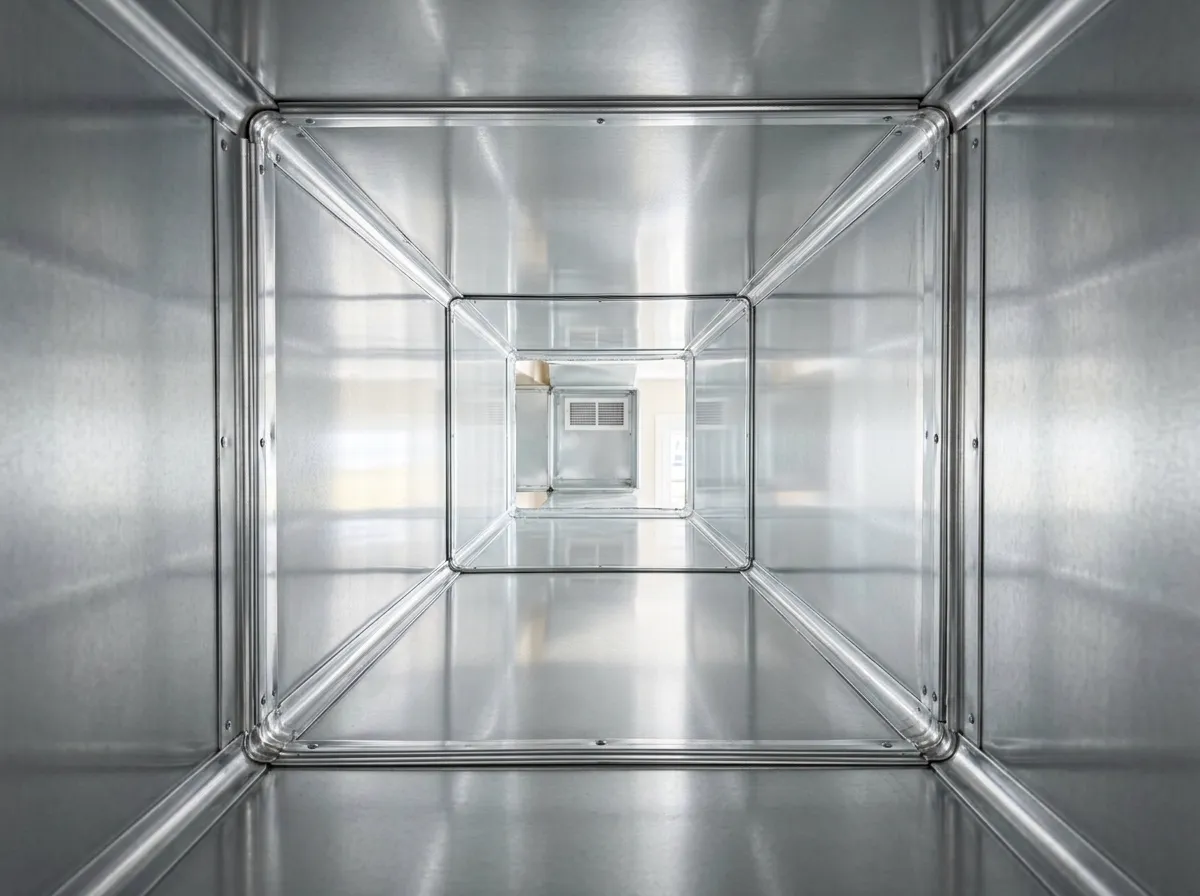
The same duct after our HEPA extraction cleaning and sanitization. Metal surfaces are clean, airflow is fully restored, and the allergen reservoir has been completely eliminated. The homeowner reported allergy relief within 24 hours.
"My daughter has had severe dust mite allergies since she was 5. After the duct cleaning, her allergist said her skin prick tests actually showed lower reactivity at her next appointment. The air quality difference is measurable."
Dr. Patricia L.
Georgetown, DC
"We moved to the DC area from Colorado and our whole family started getting allergies we never had before. The DMV humidity plus dirty ducts in our new home were the perfect storm. One cleaning and we feel normal again."
Robert & Anne K.
Arlington, VA
"I was spending over $200 a month on allergy medications and air purifiers. After the duct cleaning, I cut my meds in half and two of my three air purifiers are collecting dust -- ironically. Best investment I have made."
James T.
Silver Spring, MD
Allergy & Air Duct Cleaning FAQ
Answers to the most common questions from DMV allergy sufferers about air duct cleaning.
Get Your Free Allergy Assessment
Stop suffering and start breathing. Our certified technicians will inspect your ductwork with HD cameras, identify allergen contamination, and provide a detailed remediation plan -- completely free, no obligation.
Every day you wait, your family breathes contaminated air 5-7 times