HVAC Maintenance: The #1 Way to Cut Energy Bills in the DMV
The definitive guide to keeping your heating and cooling system running at peak efficiency in Washington DC, Virginia, and Maryland. Save money, breathe cleaner air, and prevent costly breakdowns.
Energy Saved
Longer Lifespan
Annual Savings
Why HVAC Maintenance Matters
Regular maintenance is the single most effective investment you can make in your home comfort system. Here are the four key benefits.
15-25%
Less energy used
Energy Savings
A maintained HVAC system uses 15-25% less energy than a neglected one. In the DMV, where energy rates are above the national average, that adds up to hundreds per year.
+5-10yr
Extended life
Longer Lifespan
Professional maintenance extends your system lifespan by 5-10 years. An HVAC replacement in the DMV area is a major expense; maintenance delays that cost significantly.
99%
Cleaner air
Better Air Quality
Clean coils, fresh filters, and sealed ducts mean your family breathes cleaner air. Maintenance reduces dust, pollen, mold spores, and allergens circulating through your home.
80%
Failures prevented
Fewer Breakdowns
Eighty percent of HVAC failures are preventable with regular maintenance. A tune-up catches worn belts, loose connections, and low refrigerant before they become emergencies.
The Annual HVAC Maintenance Checklist
Track your progress through all 16 essential maintenance tasks. Click each item as you complete it.
Filter & Airflow
Electrical & Mechanical
Cooling System
Heating System
Seasonal HVAC Calendar for the DMV
Washington DC, Virginia, and Maryland have four distinct seasons that each stress your HVAC system differently. Here is your month-by-month maintenance calendar.
Spring Prep
March - May
- Schedule professional AC tune-up
- Replace air filters before pollen season
- Clean condenser unit and remove winter debris
- Test AC operation before first hot day
- Clear condensate drain line
DMV-Specific Note
DMV pollen season starts in March. Cherry blossom and tree pollen heavily impact air filters. Replace filters monthly through May.
Summer Optimization
June - August
- Replace air filters monthly (high usage period)
- Keep outdoor unit clear with 2ft clearance
- Monitor energy bills for efficiency drops
- Set thermostat to 78F when home, higher when away
- Check for uneven cooling between rooms
DMV-Specific Note
DC/VA/MD summers average 87-95F with 70%+ humidity. Your AC runs 10-14 hours daily. A maintained system handles this; a neglected one fails.
Fall Prep
September - November
- Schedule professional heating tune-up
- Replace air filters before heating season
- Test furnace/heat pump before first cold night
- Check carbon monoxide detectors
- Inspect and seal visible duct leaks
DMV-Specific Note
First frost in the DMV typically arrives mid-October to early November. Schedule your heating tune-up by late September to avoid the rush.
Winter Protection
December - February
- Replace air filters every 60 days
- Keep heat pump outdoor unit free of ice/snow
- Monitor for cold spots indicating duct issues
- Check thermostat battery and programming
- Ensure emergency heat works on heat pump systems
DMV-Specific Note
DMV winters average 25-40F with periodic ice storms and nor'easters. Heat pumps may struggle below 30F; auxiliary heat must be ready.
8 Warning Signs Your HVAC Needs Attention
Spot these early and you can avoid expensive emergency repairs. Ignore them and you risk a complete system failure.
Unusual Noises
Banging, rattling, squealing, or grinding sounds from your HVAC system indicate loose parts, worn bearings, or a failing compressor. These get worse and more expensive if ignored.
Rising Energy Bills
If your heating or cooling costs are climbing without a rate increase, your HVAC system is working harder than it should. Dirty coils, clogged filters, or low refrigerant are common culprits.
Uneven Heating/Cooling
Hot and cold spots throughout your home signal duct leaks, blocked vents, or a system that cannot distribute air properly. This wastes energy and reduces comfort.
Frequent Cycling
If your system turns on and off every few minutes (short cycling), it may be overheating, have a faulty thermostat, or be improperly sized. This dramatically increases wear.
Musty or Stale Odors
Musty smells when the HVAC runs suggest mold growth in ductwork or on evaporator coils. Burning smells may indicate overheating components or dust on the heat exchanger.
Visible Dust from Vents
Dust puffing out when the system starts means your ducts are contaminated. This dust recirculates through your home 5-7 times per day, aggravating allergies and respiratory issues.
System Age 10+ Years
HVAC systems over 10 years old need more frequent professional attention. Efficiency degrades over time, and older systems lack modern features that improve performance and air quality.
Yellow Pilot Light
A healthy pilot light is blue. A yellow or flickering flame indicates incomplete combustion and potential carbon monoxide production. This is a safety emergency requiring immediate attention.
Identify problems before they become emergencies.
How Dirty Ducts Kill Your HVAC
Even with perfect HVAC maintenance, contaminated ductwork undermines your entire system. Here is the connection between clean ducts and HVAC health.
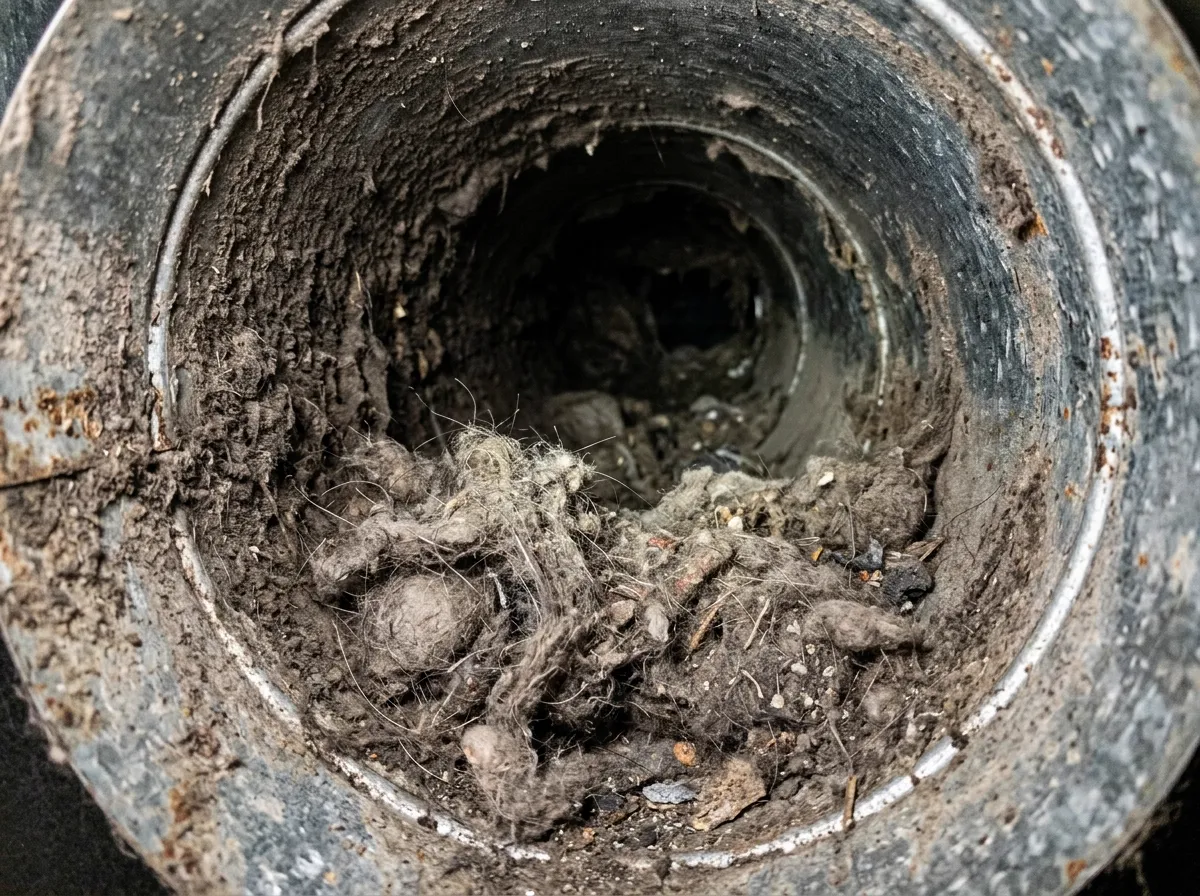
Restricted airflow forces your HVAC to work 25-40% harder, overheating components and shortening lifespan.
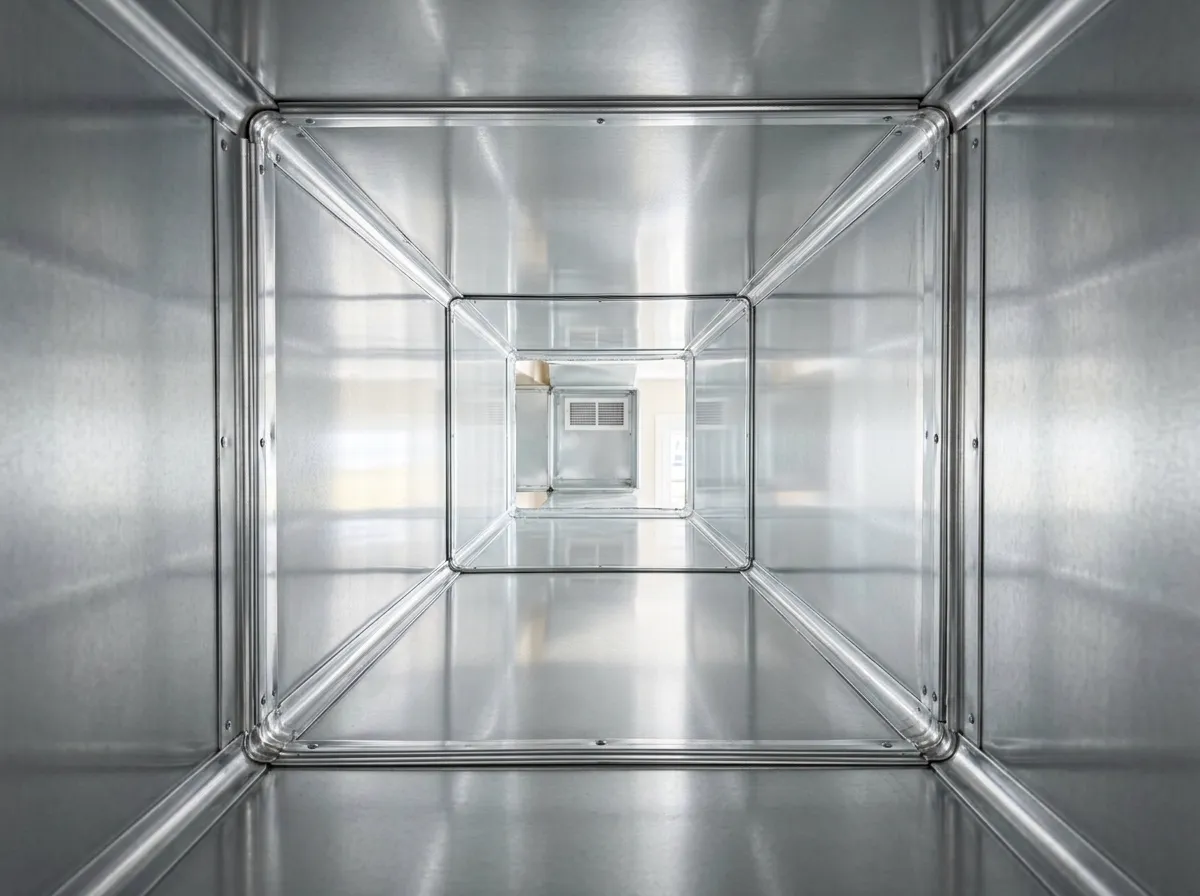
Unrestricted airflow lets your HVAC operate at peak efficiency, running shorter cycles and lasting years longer.
25-40%
Energy wasted by dirty ducts
5-7x
Dust recirculation daily
5-10yr
HVAC lifespan reduction
3-5yr
Recommended cleaning interval
HVAC System Lifespan by Type
Maintenance is the single biggest factor determining how long your HVAC system lasts. See the difference it makes for each system type.
Central Air Conditioner
Average
15-20 years
With Maintenance
18-22 years
Without
8-12 years
Regular coil cleaning and refrigerant checks are the biggest lifespan factors.
Heat Pump
Average
10-15 years
With Maintenance
14-18 years
Without
6-9 years
Heat pumps work year-round in the DMV, so they experience more wear than AC-only systems.
Gas Furnace
Average
15-20 years
With Maintenance
20-25 years
Without
10-14 years
Heat exchanger inspection is critical. Cracks can leak carbon monoxide into your home.
Boiler
Average
20-30 years
With Maintenance
25-35 years
Without
15-20 years
Boilers last longer than forced-air systems but still need annual inspections and flushing.
DIY vs Professional Maintenance
Some tasks you can handle yourself. Others require professional training, tools, and expertise. Here is how to know the difference.
DIY Tasks
Safe for homeowners
- Replace air filters every 30-90 days
- Keep outdoor unit clear of leaves and debris
- Clean supply and return vent covers
- Check and replace thermostat batteries
- Clear area around indoor HVAC equipment
- Monitor energy bills for unusual spikes
- Test carbon monoxide and smoke detectors monthly
- Adjust thermostat schedules seasonally
DIY Frequency
These tasks should be done monthly or seasonally. They cost nothing but your time and keep your system running between professional visits.
Professional Tasks
Requires certified technicians
- Refrigerant level check and leak detection
- Electrical connection inspection and tightening
- Heat exchanger crack inspection (CO safety)
- Evaporator and condenser coil deep cleaning
- Blower motor and capacitor testing
- Combustion and gas pressure analysis
- Air duct cleaning and leak sealing
- Full system performance and efficiency test
Professional Frequency
Schedule professional maintenance twice per year: spring for cooling and fall for heating. This prevents 80% of HVAC failures and maintains manufacturer warranty.
How the DMV Climate Stresses Your HVAC
The Washington DC, Maryland, and Northern Virginia region has one of the most demanding climates for HVAC systems on the East Coast. Wide temperature swings, high humidity, and seasonal extremes mean your system works harder and needs more attention than most areas of the country.
Summer Heat Index: 95-105+F
DC regularly hits heat indices above 100F from June through August. Your AC runs 10-14 hours daily during peak summer, consuming more energy and wear than any other season.
Winter Wind Chill: 10-25F
DMV winters bring arctic blasts, ice storms, and nor'easters. Heat pumps struggle below 30F and switch to inefficient auxiliary heat. Furnaces run continuously during cold snaps.
Year-Round Humidity: 50-80%
The DMV is consistently humid, creating ideal conditions for mold growth inside ductwork and on evaporator coils. Your HVAC fights humidity as much as temperature.
Pollen Season: March-June
The DC area has some of the highest pollen counts in the country. Cherry blossoms, oak, and grass pollen clog filters quickly, and infiltrate ductwork within weeks of a cleaning.
Washington, DC
Very High StressUrban heat island + government buildings raise ambient temperatures 3-5F above suburbs. Systems run harder in summer.
Northern Virginia
High StressRapid development and dense housing in Fairfax, Arlington, and Loudoun means many homes have undersized systems struggling to keep up.
Maryland
High StressProximity to the Chesapeake Bay increases humidity, accelerating mold growth in ductwork. Older homes in Montgomery and PG County have aging HVAC systems.
The Bottom Line
DMV HVAC systems work 20-30% harder than the national average due to climate extremes. This makes regular maintenance not just recommended -- it is essential for preventing premature failure and keeping energy costs under control.
HVAC Maintenance FAQ
Common questions from DC, Maryland, and Virginia homeowners about HVAC maintenance.
How often should HVAC systems be professionally maintained?
What does an HVAC tune-up include?
How much can HVAC maintenance save on energy bills in DC, Maryland, and Virginia?
Can I do HVAC maintenance myself?
What is the connection between air duct cleaning and HVAC maintenance?
How long does an HVAC system last with proper maintenance?
When is the best time to schedule HVAC maintenance in the DMV area?
Does HVAC maintenance affect indoor air quality?
Keep Your HVAC Running at Peak Performance
Get a free HVAC and duct inspection from our certified technicians. We will assess your system, identify efficiency issues, and show you exactly how to save on energy bills.
- Free comprehensive HVAC system inspection
- HD camera duct inspection included
- Energy efficiency assessment with recommendations
- No-obligation custom quote
- Same-day service available in DC, MD & VA