Just Finished a Renovation and Dust Is Everywhere?
Construction dust is now trapped inside your air ducts, circulating through every room, coating every surface, and filling your lungs with every breath.
Renovation Dust Will Circulate for Months Without Intervention
Check how many of these apply to your home:
The Data Is Clear
Renovation dust contains silica from drywall, lead from pre-1978 paint, formaldehyde from new materials, and microscopic particles that penetrate deep into your lungs. Unlike regular house dust, construction particles are as fine as 0.1 microns — 300 times smaller than a human hair — and standard air filters cannot capture them.
Why Renovation Dust Gets Trapped in Your HVAC System
Open Duct Registers During Construction
Even when contractors try to protect your HVAC system, open registers and return vents act as vacuum cleaners, sucking drywall dust, sawdust, and debris directly into your duct network. A single day of drywall sanding can deposit pounds of fine dust throughout your entire duct system.
System Running During Renovation
If your HVAC ran during any part of the renovation, it actively circulated construction dust through every duct run and deposited it on every interior surface. Even running the fan without heating or cooling distributes dust rapidly.
Ultra-Fine Particles That Won't Settle
Construction dust is significantly finer than normal household dust. These microscopic particles stay airborne for weeks and pass right through standard HVAC filters. They cycle through your system and settle on surfaces repeatedly, making it seem like dust reappears as fast as you can clean it.
Contaminated HVAC Components
Drywall dust coats the evaporator coil, blower wheel, and heat exchanger. These components then release fine dust particles every time the system runs, even months after the renovation is complete. The blower wheel is particularly problematic as it can hold several ounces of caked construction dust.
How We Remove Every Trace of Construction Dust
Our professional process addresses the root cause — not just the symptoms.
Full System Assessment
We inspect ductwork, evaporator coil, blower assembly, and all components with HD cameras to document the extent of construction dust contamination throughout your system.
High-Power Duct Cleaning
Negative-pressure HEPA-filtered extraction with powered agitation tools breaks loose and removes compacted construction dust from every duct run, including hard-to-reach flex duct sections.
Component Deep Clean
We clean the evaporator coil, blower wheel, and heat exchanger — the components that hold and re-release fine dust particles over time.
Register and Grille Cleaning
Every supply and return register is removed, cleaned, and reinstalled. We also clean the interior surfaces behind each register where dust accumulates heavily.
Post-Clean Verification
Before and after camera footage shows the difference. We verify airflow is restored and no residual construction debris remains in the system.
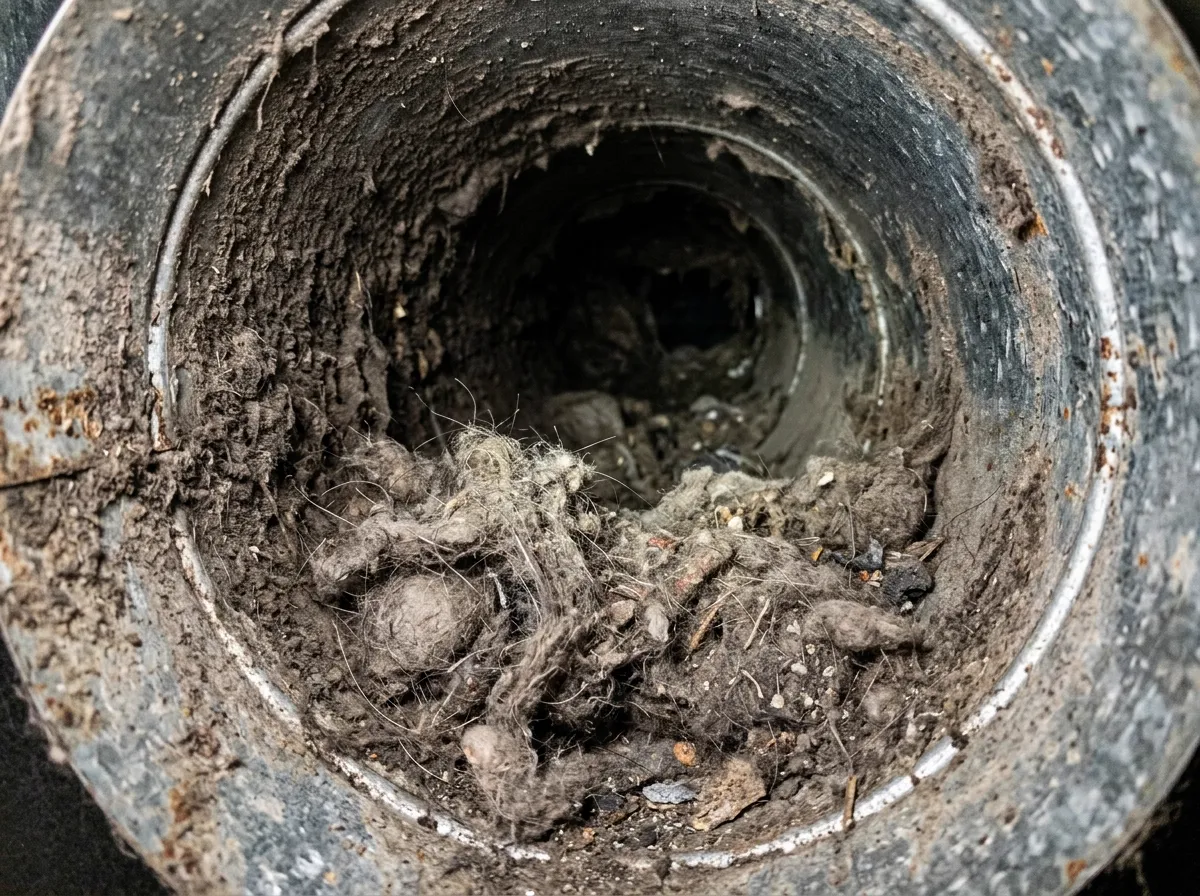
"They showed me the camera footage of what was in our ducts. I couldn't believe it. The difference after cleaning was immediate."
— Jennifer K., Capitol Hill DC
Call for quote
Post-renovation cleaning is more intensive than standard maintenance cleaning due to the volume and type of debris. The investment prevents months of dust problems and protects your HVAC system from construction debris damage.
What You Can Expect
Frequently Asked Questions
As soon as all construction work is complete and the general cleaning is done. Don't wait weeks hoping the dust will settle on its own — your HVAC system will continue circulating it through every room. Schedule duct cleaning within the first week after renovation completion for the best results.
Don't Live With This Problem Another Day
Our licensed and insured technicians can diagnose and solve the problem — usually in a single visit. Free inspection, no obligation.