There Are Pest Droppings in Your Air Ducts
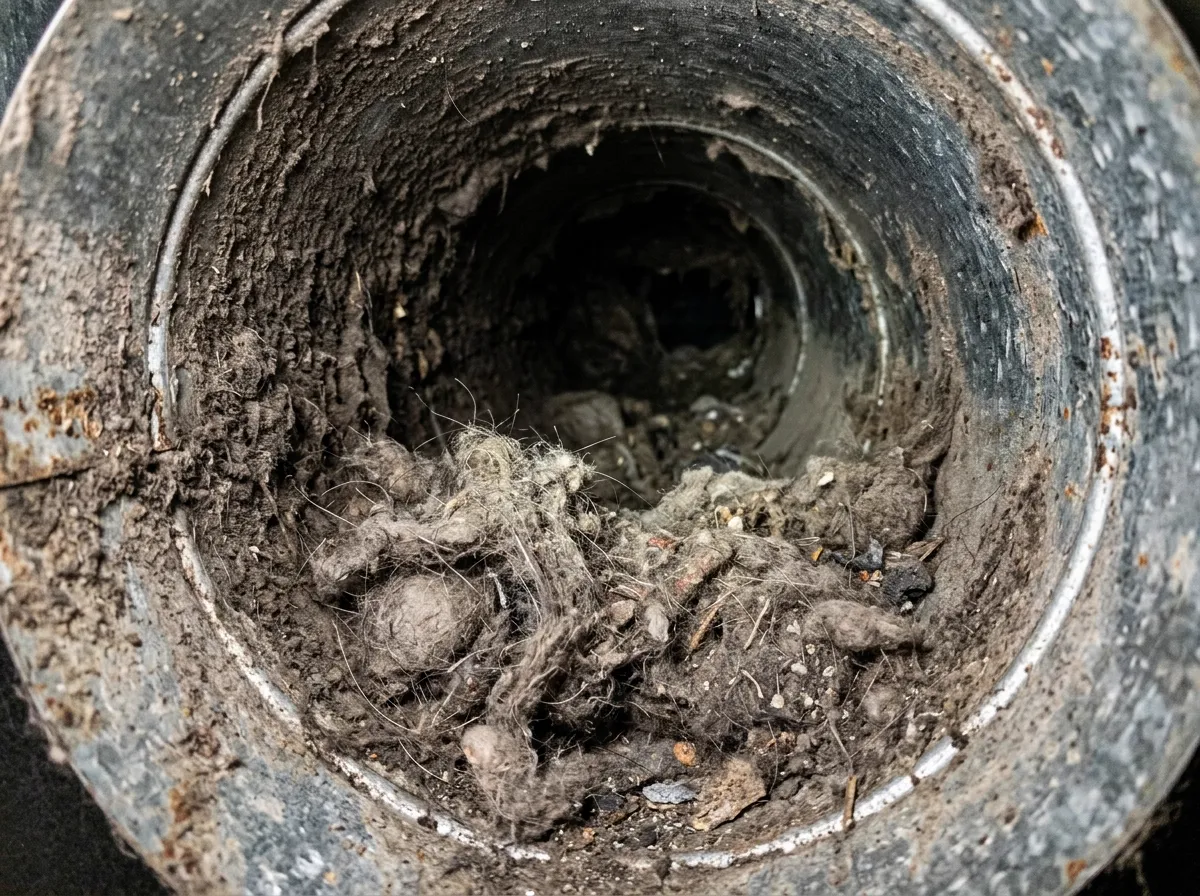
Every time your HVAC runs, it's blowing particles from mouse droppings, insect debris, and urine residue into the air your family breathes.
The Health Risks Are Serious
Check how many of these apply to your home:
The Data Is Clear
Mouse droppings carry Hantavirus, Salmonella, and over 35 diseases transmittable to humans. When your HVAC system circulates air over contaminated ductwork, these pathogens become airborne and reach every room.
How Pests Get Into Your Ductwork
Gaps at Duct Joints
Unsealed joints between duct sections provide easy entry for mice. A mouse can squeeze through a gap as small as a quarter-inch — smaller than most duct joint gaps.
Floor Register Entry
Floor-mounted registers with gaps around the edges are highways for mice, cockroaches, and other pests. They climb into the duct system and nest inside.
Exterior Penetrations
Where ductwork passes through exterior walls, crawl spaces, or attics, unsealed openings allow outdoor pests direct access to your HVAC system.
Damaged Flex Duct
Flexible ductwork in attics and crawl spaces is easily chewed through by mice and rats, giving them access to the entire duct network.
HVAC Unit Gaps
The area where ductwork connects to your furnace or air handler often has gaps that pests exploit, especially in older DMV homes.
Seasonal Migration
In DMV winters, mice and rats seek warmth inside ductwork. Your warm ducts are the perfect temperature-controlled nest — and your system distributes their contamination.
Our Professional Decontamination Process
Our professional process addresses the root cause — not just the symptoms.
Inspection & Documentation
We camera-inspect all ductwork to document contamination extent, identify pest entry points, and plan the decontamination. Photos provided for your records.
Pest Removal
Any active pests, nesting material, dead animals, and debris are carefully removed using HEPA-filtered equipment to prevent contamination spread.
Full Duct Cleaning
Negative-pressure extraction removes all droppings, dander, urine residue, and contaminated dust from every section of your duct system.
Antimicrobial Treatment
EPA-registered antimicrobial fogger treatment throughout the entire system kills bacteria, viruses, and pathogens left behind by pest contamination.
Sealing & Prevention
We seal all entry points — duct joints, register gaps, exterior penetrations — with metal mesh and mastic to prevent future pest access.
"They showed me the camera footage of what was in our ducts. I couldn't believe it. The difference after cleaning was immediate."
— Jennifer K., Capitol Hill DC
$399 - $749
Decontamination includes cleaning, antimicrobial treatment, and entry point sealing. Emergency same-day service available for severe contamination.
What You Can Expect
Frequently Asked Questions
Yes, very. Mouse droppings carry Hantavirus (potentially fatal respiratory disease), Salmonella, Leptospirosis, and over 35 other diseases. When your HVAC circulates air over contaminated ducts, these pathogens become airborne and reach every room. This is especially dangerous for children, elderly, and immunocompromised family members.
Don't Live With This Problem Another Day
Our licensed and insured technicians can diagnose and solve the problem — usually in a single visit. Free inspection, no obligation.