Indoor Air Quality: Is Your Home Making You Sick?
The air inside your home could be harboring invisible threats. Learn what is in the air you breathe, how it affects your health, and what DMV homeowners can do about it.
More Polluted Indoors
Liters Breathed Daily
Time Spent Indoors
6 Common Indoor Pollutants Hiding in Your Home
Most homeowners are unaware of the pollutants circulating through their HVAC systems. Here are the six most common threats to your indoor air quality.
Volatile Organic Compounds (VOCs)
Paint, cleaning products, new furniture, carpeting, air fresheners
Headaches, nausea, liver/kidney damage, central nervous system effects
VOC monitors, professional air sampling, distinctive chemical smell
Particulate Matter (PM2.5)
Cooking, candles, dust, pet dander, outdoor air infiltration
Aggravated asthma, decreased lung function, cardiovascular issues
Particle counters, visible haze in sunlight, excessive dust on surfaces
Carbon Monoxide (CO)
Gas stoves, furnaces, fireplaces, attached garages, water heaters
Headaches, dizziness, confusion, loss of consciousness, fatal at high levels
CO detectors (required by law), professional testing equipment
Radon Gas
Soil beneath foundation, groundwater, building materials, well water
Second leading cause of lung cancer, no immediate symptoms
Radon test kits, long-term alpha track detectors, professional testing
Biological Contaminants
Mold, bacteria, dust mites, pet dander, pollen, cockroach allergens
Allergic reactions, asthma attacks, infections, hypersensitivity pneumonitis
Mold testing, allergen panels, musty odors, visible growth
Chemical Pollutants
Cleaning products, pesticides, disinfectants, dry-cleaned clothing
Eye and throat irritation, respiratory issues, potential carcinogen exposure
Air quality monitors, symptom tracking, professional assessment
Health Symptoms of Poor Air Quality
If you or your family members are experiencing these symptoms, especially when indoors, your air quality may be compromised.
Persistent Headaches
Recurring headaches that appear or worsen when you are home, often caused by VOCs, CO, or poor ventilation.
Chronic Fatigue
Unexplained tiredness and difficulty concentrating that improves when you spend time outdoors or in other buildings.
Allergy Flare-ups
Sneezing, congestion, runny nose, and itchy eyes that intensify indoors from dust, mold, pet dander in ductwork.
Respiratory Issues
Coughing, wheezing, shortness of breath, and asthma attacks triggered by particulate matter and biological contaminants.
Eye & Throat Irritation
Burning or watering eyes, sore throat, and dry nasal passages caused by chemical pollutants and low humidity.
Skin Problems
Dry, itchy, or irritated skin and eczema flare-ups from airborne allergens and chemical irritants in recirculated air.
Identify what is causing your symptoms. No obligation.
Air Quality By Room
Every room in your home has unique air quality challenges. Understanding them is the first step to solving them.
Kitchen
Threats
Cooking fumes, gas combustion byproducts, grease particles, VOCs from non-stick coatings
Solutions
Use range hood vented to outside, open windows while cooking, avoid aerosol sprays, choose induction over gas when possible.
Bathroom
Threats
High humidity promoting mold growth, chemical cleaning products, aerosol sprays, poor ventilation
Solutions
Run exhaust fan during and 30 min after showers, fix leaks promptly, use mold-resistant paint, switch to natural cleaners.
Bedroom
Threats
Dust mites in bedding, pet dander on furniture, off-gassing from mattresses, stale air from closed doors
Solutions
Wash bedding weekly in hot water, use allergen-proof covers, keep humidity below 50%, ensure vent is unobstructed.
Basement
Threats
Radon gas from soil, moisture and mold, poor ventilation, stored chemicals, musty air
Solutions
Test for radon (critical in DMV area), install dehumidifier, seal foundation cracks, improve ventilation, remove stored chemicals.
Garage
Threats
Carbon monoxide from vehicles, gasoline fumes, paint/solvent storage, pesticides, exhaust infiltration
Solutions
Never idle vehicles inside, install CO detector, seal door between garage and house, store chemicals in sealed containers.
Home Office
Threats
Printer toner particles, off-gassing from electronics and furniture, poor ventilation, prolonged exposure
Solutions
Open windows regularly, position printer away from desk, add HEPA air purifier, take fresh air breaks every hour.
The Air Quality Improvement Hierarchy
Follow this five-step pyramid from most important to supplementary. Each step builds on the previous one.
Source Control
The FoundationThe single most effective approach. Identify and eliminate or reduce individual sources of pollution.
Ventilation
Fresh Air ExchangeBring in outdoor air to dilute indoor pollutants. Both natural and mechanical ventilation are important.
Filtration
Trap the ParticlesUpgrade your HVAC filters and maintain them regularly to capture pollutants before they circulate.
Purification
Targeted TreatmentAdd air purification in specific rooms where extra protection is needed.
Regular Maintenance
Keep It CleanProfessional HVAC and duct maintenance ensures all the above steps remain effective over time.
MERV Ratings Explained
MERV (Minimum Efficiency Reporting Value) measures how effectively a filter captures particles. Higher is not always better for residential systems.
Filters: Pollen, dust mites, carpet fibers
Filters: Mold spores, dust mite debris, pet dander
Filters: Legionella, humidifier dust, lead dust
Filters: Bacteria, most tobacco smoke, all pollen
Filters: Virus carriers, carbon dust, sea salt
Important Note for Homeowners
Higher MERV ratings restrict more airflow. Using a MERV 16+ filter in a standard residential HVAC system can reduce efficiency and damage equipment. Always consult with an HVAC professional before going above MERV 13 in your home. For most DMV homes, MERV 11-13 provides the best balance of filtration and system performance.
DMV-Specific Air Quality Challenges
The Washington DC, Maryland, and Virginia metro area presents unique challenges that directly impact indoor air quality.
DC Metro Pollution
The Washington DC metropolitan area regularly experiences elevated ozone and particulate matter levels, particularly during summer months. Urban density and vehicle emissions contribute to outdoor pollutants that infiltrate homes through HVAC systems, windows, and doors.
Top 25 most polluted metro areas in the US
Potomac Valley Humidity
The Potomac River basin creates a naturally humid microclimate. Summer relative humidity regularly exceeds 70%, creating ideal conditions for mold growth inside ductwork, walls, and crawl spaces. This moisture accelerates biological contaminant buildup.
Avg 65-75% summer humidity
Seasonal Pollen
The DMV is notorious for severe pollen seasons. Cherry blossom season in spring, grass pollen in summer, and ragweed in fall produce massive pollen loads that infiltrate homes and accumulate in ductwork, triggering year-round allergy symptoms.
Spring: cherry blossoms / Fall: ragweed
Construction Dust
Rapid development across Northern Virginia, Montgomery County, and DC generates significant construction dust. Major projects along the Silver Line, Tysons Corner, and National Landing create persistent particulate matter that affects surrounding neighborhoods.
Billions in active construction projects
Traffic Corridors
I-495, I-66, I-270, and the BW Parkway are among the most congested corridors in the nation. Homes near these highways are exposed to elevated levels of diesel particulates, tire dust, and combustion byproducts that infiltrate indoor spaces.
2nd worst commute in the US
Older Housing Stock
Historic neighborhoods in Georgetown, Capitol Hill, Old Town Alexandria, and Bethesda feature homes built before modern ventilation standards. These charming properties often have outdated HVAC systems, inadequate ventilation, and ductwork that has never been professionally cleaned.
Many homes 50-100+ years old
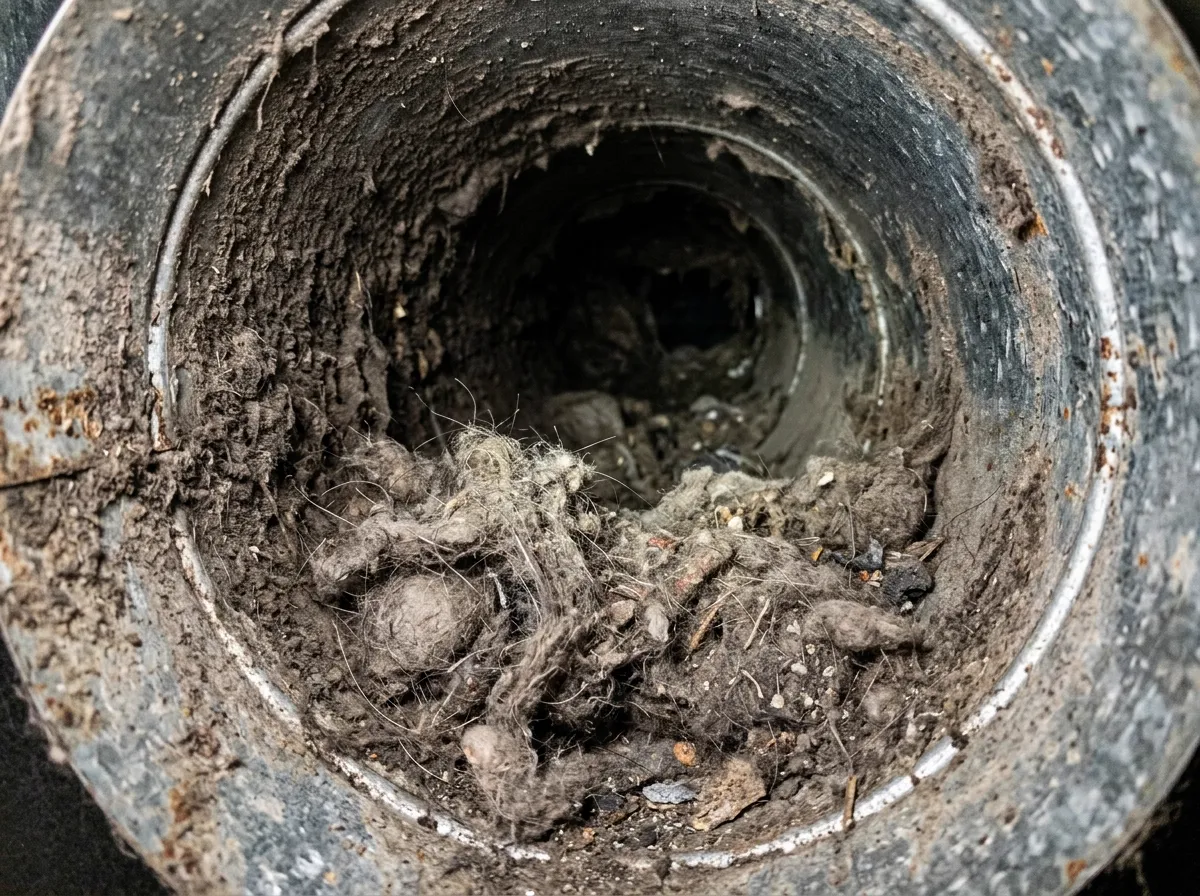
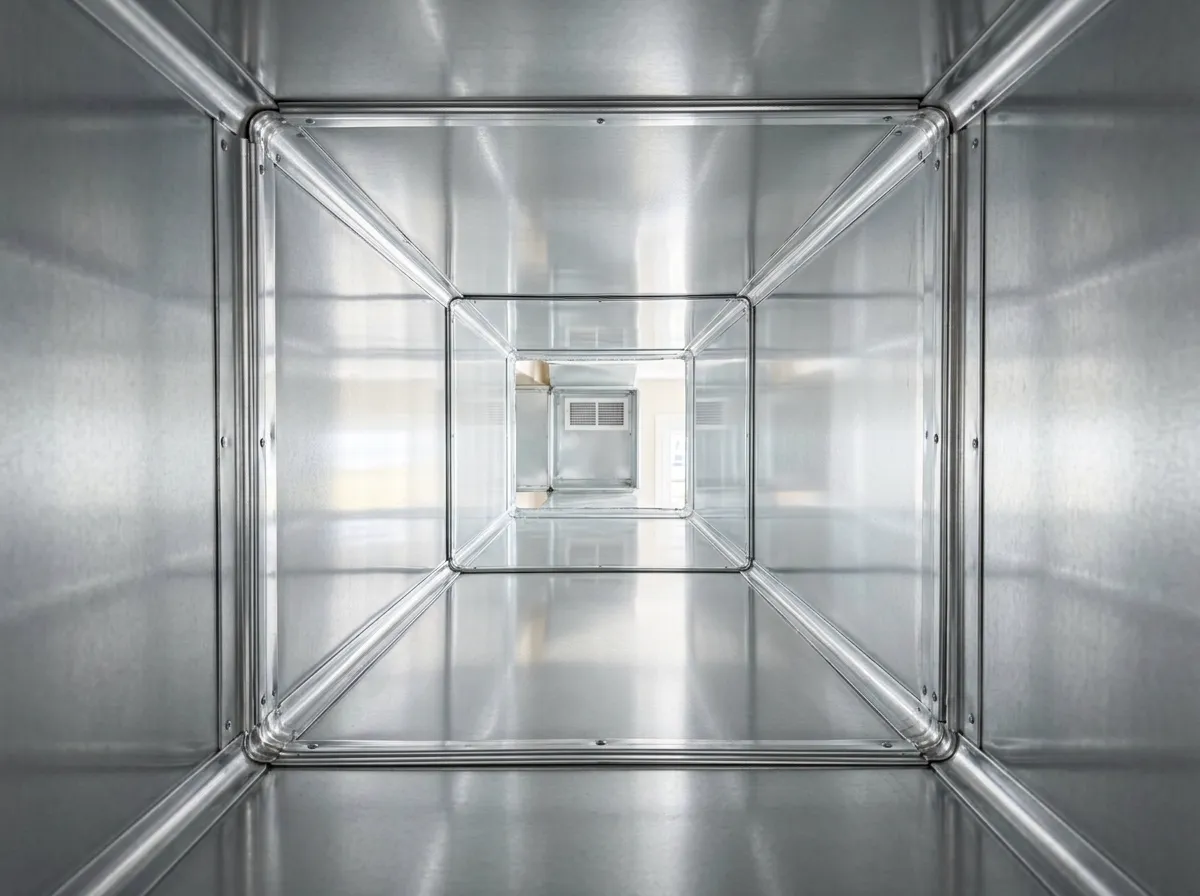
How Duct Cleaning Improves Air Quality
Your ductwork is the respiratory system of your home. When ducts are contaminated, every HVAC cycle pushes pollutants back into your living spaces. Professional cleaning removes the source of indoor air pollution at its core.
Contaminant Removal
Energy Savings
- Removes accumulated dust, allergens, mold spores, and bacteria from entire duct system
- Restores proper airflow, reducing HVAC strain and lowering energy bills
- Eliminates musty odors caused by biological growth inside ductwork
- Reduces allergy and asthma triggers circulating through your home
- Extends HVAC equipment lifespan by reducing blockages and strain
- Provides camera-verified before and after documentation of results
Indoor Air Quality FAQ
Answers to the most common questions about air quality in your home.
Get Your Free Air Quality Assessment
Stop guessing about the air your family breathes. Our certified technicians will inspect your HVAC system, test your ductwork, and provide a detailed report with personalized recommendations.
Technicians Available in Your Area
Or call us directly:
(800) 555-0199Related Guides & Resources
Continue learning about indoor air quality and home health.