
Mold in Your Air Ducts?
Every Breath Is Contaminated.
1 in 3
Homes have mold in HVAC
50K+
Spores per HVAC cycle
24 hrs
For mold to spread
When mold colonizes your ductwork, your HVAC system becomes a spore delivery machine — pushing toxic particles into every room, every time it runs. In the humid DMV climate, this is not a matter of if but when.
What Does Mold in Air Ducts Look Like?
Mold in ductwork is often hidden, but these visual and sensory warning signs indicate contamination that requires immediate attention.
Black or Dark Green Patches
Irregular dark spots on or around air vents, supply registers, or return grilles. Often mistaken for dust or dirt until closely inspected.
Where to look: Vent covers, register grilles, visible duct interiors
White or Gray Fuzzy Growth
Cottony or fuzzy patches that appear slightly raised from the surface. Common in ducts near bathrooms or laundry rooms with excess moisture.
Where to look: Flexible ductwork joints, around condensation points
Musty or Earthy Smell
A persistent damp, stale odor that intensifies when the HVAC system cycles on. The smell originates deep inside contaminated ductwork and circulates through every room.
Where to look: Strongest near return air vents and supply registers
Condensation on Vents or Ducts
Water droplets forming on vent surfaces or visible moisture on exposed ductwork in basements and attics. Condensation is the #1 catalyst for mold colonization.
Where to look: Basement ducts, attic runs, exterior wall ductwork
Discolored Dust Around Vents
Dark rings, streaks, or staining on walls and ceilings around air vents. This discoloration is caused by mold spores being deposited as air blows past.
Where to look: Ceiling and wall areas surrounding supply vents
Increased Allergy Symptoms Indoors
Sneezing, congestion, and itchy eyes that improve when you leave home but return every time the HVAC runs. Your body is reacting to airborne mold spores.
Where to look: Symptoms worst in rooms with the most airflow
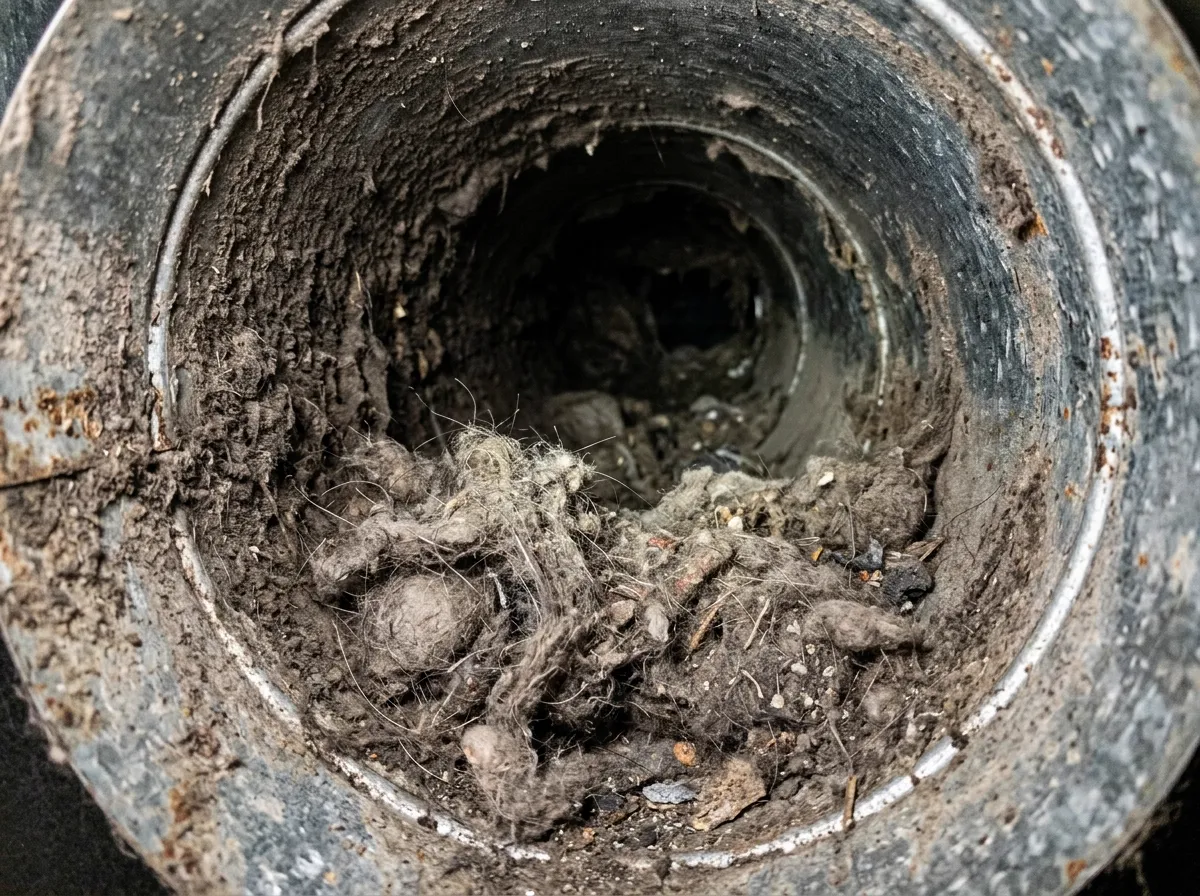
Before: Mold growth inside ductwork
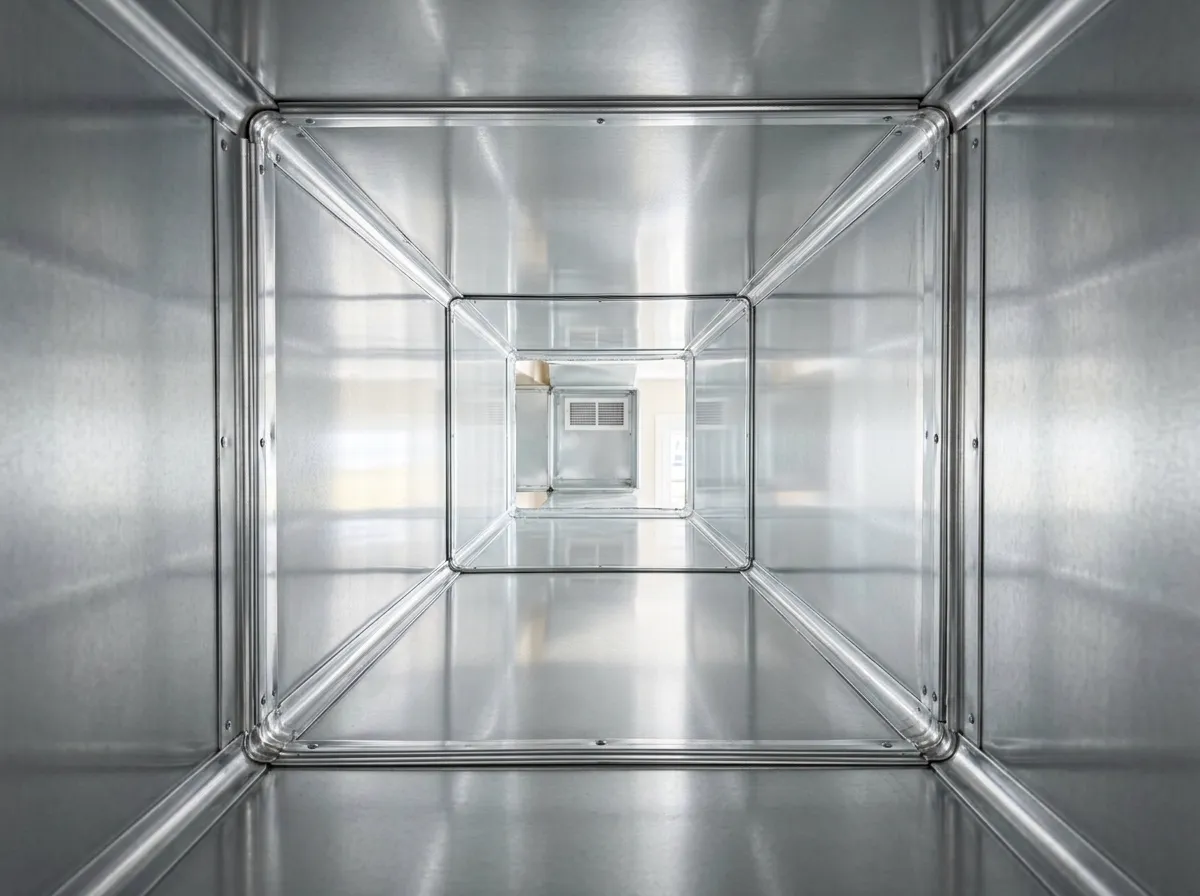
After: Clean ductwork post-remediation
Health Risks of Mold in Your HVAC System
Mold spores are 2-10 microns in size — invisible to the naked eye but devastating to your respiratory system. These are the documented health effects of living with mold-contaminated air ducts.
Respiratory Infections
Mold spores lodge in lungs and airways, causing bronchitis, pneumonia, and chronic coughing that worsens with prolonged exposure.
Allergic Reactions
Sneezing, runny nose, red eyes, and skin rashes triggered by immune system response to mold proteins called mycotoxins.
Neurological Symptoms
Black mold (Stachybotrys) produces mycotoxins linked to memory loss, difficulty concentrating, confusion, and chronic brain fog.
Chronic Fatigue
Persistent exhaustion unrelieved by sleep. Mold exposure forces the immune system into overdrive, draining energy reserves.
Chronic Sinus Issues
Recurring sinus infections, post-nasal drip, and facial pressure that antibiotics cannot resolve because the mold source persists.
Toxic Mold Syndrome
Extended exposure to black mold can cause hemorrhaging, organ damage, and severe immunosuppression. Children and elderly are most vulnerable.
Asthma Attacks
Mold is a top trigger for asthma episodes. Spores circulating through HVAC can cause sudden, severe attacks even in mild asthmatics.
Eye & Skin Irritation
Burning, watery eyes and unexplained skin rashes or hives that recur in specific rooms or when the heating/cooling system is active.
Children, elderly, and immunocompromised individuals are at highest risk.
If anyone in your household has asthma, allergies, or a weakened immune system, mold in your ductwork is an urgent health hazard that demands immediate action.
Why the DMV Is a Mold Hotspot
Washington DC, Maryland, and Virginia combine the worst climate factors for HVAC mold growth. The data shows why DMV homeowners face elevated risk.
Summer Humidity Averages 70-80%
The DC/Maryland/Virginia region experiences some of the highest sustained humidity east of the Mississippi. From June through September, outdoor humidity routinely exceeds 75%, and indoor levels in homes without proper dehumidification can reach 65-70% — well above the 50% threshold where mold colonies begin forming in ductwork.
Annual Rainfall: 40+ Inches
The DMV receives 40-44 inches of rain annually, with frequent summer thunderstorms and tropical moisture from the Chesapeake Bay. Homes near the Potomac, Anacostia, or any Chesapeake tributary face elevated groundwater and basement moisture that migrates into HVAC systems.
Temperature Swings Create Condensation
Winter lows in the 20s followed by days in the 50s, and summer highs above 95F with AC set to 72F, create massive temperature differentials across duct walls. This differential causes persistent condensation inside ductwork — the exact environment mold needs to colonize.
Older Housing Stock
Over 60% of homes in DC, Arlington, Bethesda, Silver Spring, and Alexandria were built before 1980. These homes have aging ductwork with deteriorating insulation, inadequate vapor barriers, and decades of accumulated moisture exposure that makes them prime targets for mold growth.
DMV Mold Risk Is 2-3x Higher Than National Average
The combination of Chesapeake Bay moisture, dense vegetation, aging housing stock, and extreme temperature swings makes the DC/Maryland/Virginia region one of the highest-risk areas in the country for mold growth in residential HVAC systems. If your home is in the DMV, annual duct inspections are not optional — they are essential.
DIY Mold Detection vs. Professional Inspection
DIY methods may seem convenient, but mold remediation is one area where cutting corners puts your family's health at serious risk.
| Aspect | DIY Approach | Professional Remediation |
|---|---|---|
| Visible Surface Mold | Can clean visible vent covers with soap and water | Inspects and treats mold inside ductwork walls you cannot see or reach |
| Air Quality Testing | Home test kits give unreliable, non-quantitative results | Professional air sampling with lab-verified spore counts per cubic meter |
| Mold Identification | Cannot determine mold species or toxicity level | Lab analysis identifies exact species and recommended remediation approach |
| Containment | No containment — cleaning spreads spores to other rooms | Negative air pressure containment prevents cross-contamination |
| HEPA Filtration | Standard vacuums blow spores back into the air | Commercial HEPA filtration captures 99.97% of particles down to 0.3 microns |
| Root Cause | Addresses symptoms only — mold regrows within weeks | Identifies and eliminates moisture source to prevent recurrence |
| Health Risk During Cleaning | High — disturbing mold releases massive spore clouds | Technicians use PPE, containment, and HEPA systems to protect occupants |
Warning: DIY Mold Removal Can Make Things Worse
Disturbing mold without proper containment releases massive spore clouds that can contaminate previously clean areas of your home. Standard household vacuums and cleaning products are insufficient for mold inside ductwork. Always consult a professional before attempting any remediation.
Our Mold Remediation Process
A systematic 5-step approach that eliminates mold at the source, treats all affected surfaces, and verifies safe air quality before we leave.
Comprehensive Inspection
1-2 hoursWe deploy HD cameras inside your ductwork to map every inch of mold growth. Air quality samples are collected from multiple rooms and sent to an accredited lab for spore identification. You receive a detailed contamination report showing exactly what we found and where.
Containment & Isolation
30-60 minutesBefore any remediation begins, we seal affected duct sections and establish negative air pressure containment. HEPA air scrubbers run continuously to capture airborne spores. Your living spaces are completely isolated from the work zone to protect your family during the process.
Physical Mold Removal
3-6 hoursUsing specialized rotary brushes, HEPA-filtered vacuum systems, and manual scraping tools, we physically remove every visible mold colony from duct surfaces. Contaminated insulation, damaged flex duct, and any materials that cannot be fully decontaminated are safely removed and disposed of.
Antimicrobial Treatment
1-2 hoursAll cleaned duct surfaces receive a professional-grade antimicrobial coating that kills remaining spores on contact and creates a protective barrier against future growth. The treatment is safe for children, pets, and individuals with sensitivities once dry (typically 2-4 hours).
Post-Remediation Verification
1 hourAfter treatment, we collect new air quality samples to verify mold spore counts have returned to safe levels. You receive before-and-after documentation, lab results, and a clearance report. We back every project with a mold-free guarantee for your peace of mind.
Preventing Mold Growth After Cleaning
Remediation eliminates existing mold. These maintenance practices prevent it from returning — especially critical in the humid DMV climate.
Maintain Humidity Below 50%
Use a whole-home dehumidifier or standalone units to keep indoor humidity between 30-50%. This is the single most effective way to prevent mold.
Change Filters Every 60-90 Days
MERV-11 or higher filters trap mold spores before they enter ductwork. In the humid DMV, replace every 60 days during summer months.
Fix Leaks Immediately
Even small roof leaks, pipe drips, or condensate drain issues create the moisture mold needs. Repair any water intrusion within 24-48 hours.
Run Exhaust Fans
Use bathroom and kitchen exhaust fans during and 30 minutes after showering or cooking. This removes moisture before it enters the HVAC return.
Insulate Ductwork
Exposed ducts in attics, crawlspaces, and basements should be insulated to prevent condensation caused by temperature differentials.
Schedule Annual Inspections
An annual professional duct inspection catches mold growth early — before it becomes a major remediation project. Prevention is always less expensive than remediation.
Mold in Air Ducts: Frequently Asked Questions
Expert answers to the most common questions about mold in HVAC systems and air duct mold remediation.
Don't Wait —
Mold Spreads Fast.
Every hour your HVAC system runs with mold in the ducts, thousands of spores are pushed into every room of your home. What starts as a small colony can contaminate your entire duct system within days. Your family is breathing this air right now.