Black Dust From Your Vents Isn't Normal
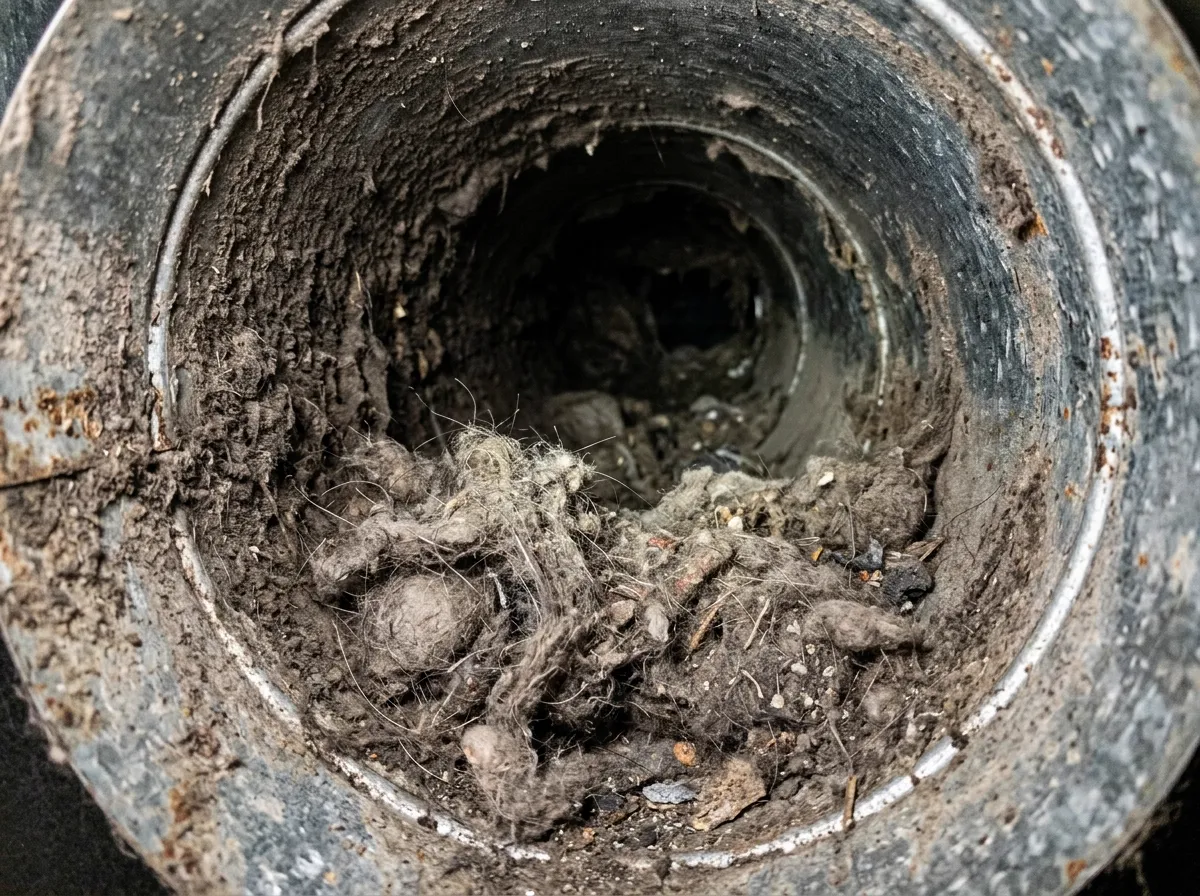
Those black particles are being breathed by everyone in your home. The source could be mold, soot, or deteriorating duct material — all hazardous.
What That Black Stuff Could Be
Check how many of these apply to your home:
The Data Is Clear
Black particulate matter from air ducts can contain toxic black mold (Stachybotrys), combustion byproducts, deteriorated duct insulation fibers, and soot — all of which are classified as respiratory hazards by OSHA.
Common Causes of Black Vent Discharge
Black Mold Growth
Stachybotrys and Aspergillus niger (black mold species) thrive in damp ductwork. When air flows past colonies, it picks up black spores and deposits them at vent openings and on nearby surfaces.
Soot & Combustion Residue
Candle soot, gas stove residue, and fireplace byproducts get pulled into the HVAC return and distributed through the duct system. Over time, this creates a black coating on interior duct surfaces.
Deteriorating Duct Liner
Older fiberglass-lined ducts (common in DMV homes built 1970-1990) can deteriorate, releasing black fiberglass particles and adhesive residue into the airstream.
Insulation Breakdown
When duct insulation deteriorates, dark particles of fiberglass or cellulose insulation enter the air stream and deposit as black specks around vents.
How We Identify and Eliminate the Problem
Our professional process addresses the root cause — not just the symptoms.
Source Identification
Camera inspection and sample collection determine exactly what the black material is — mold, soot, insulation, or duct deterioration. This dictates the proper remediation approach.
Contaminated Material Removal
All contaminated material is removed using HEPA-filtered equipment with proper containment to prevent further exposure.
Duct Repair (if needed)
If duct liner or insulation is deteriorating, we recommend repair or encapsulation to stop future particle release.
Treatment & Sealing
Antimicrobial treatment kills any mold, and we can apply duct sealant to encapsulate any remaining fiber sources.
"They showed me the camera footage of what was in our ducts. I couldn't believe it. The difference after cleaning was immediate."
— Jennifer K., Capitol Hill DC
$399 - $799
Price depends on cause and extent. Mold remediation is at the higher end; soot cleaning is lower. Free inspection identifies the source before any work begins.
What You Can Expect
Frequently Asked Questions
Potentially, yes. If it's black mold, the spores and mycotoxins are serious respiratory hazards. If it's soot, the fine particulates are carcinogenic. If it's deteriorating duct insulation, the fibers can irritate lungs. Identification is critical — and a professional inspection is the first step.
Don't Live With This Problem Another Day
Our licensed and insured technicians can diagnose and solve the problem — usually in a single visit. Free inspection, no obligation.