The DMV Homeowner's Seasonal Cleaning Calendar
Four critical maintenance windows. Twelve months of actionable tasks. One comprehensive plan to keep your home's air clean and your HVAC running efficiently all year in DC, Maryland, and Virginia.
Maintenance Windows
Energy Savings
Avg DMV Pollen Count
Homes Cleaned
Spring: The Critical Reset
Spring in the DMV means cherry blossoms lining the Tidal Basin -- and a massive surge of tree pollen blanketing every surface. Washington DC consistently ranks among the worst US cities for spring allergies, with pollen counts exceeding 1,500 grains per cubic meter during peak weeks in April. This is the single most important time for DMV homeowners to clean their air ducts.
After months of running your furnace with sealed windows, your ductwork has accumulated a winter's worth of dust, pet dander, and contaminants. As you switch from heating to cooling and begin opening windows, all that outdoor pollen rushes in and mixes with the existing buildup. The result is a perfect storm for allergy sufferers.
Spring Maintenance Tasks:
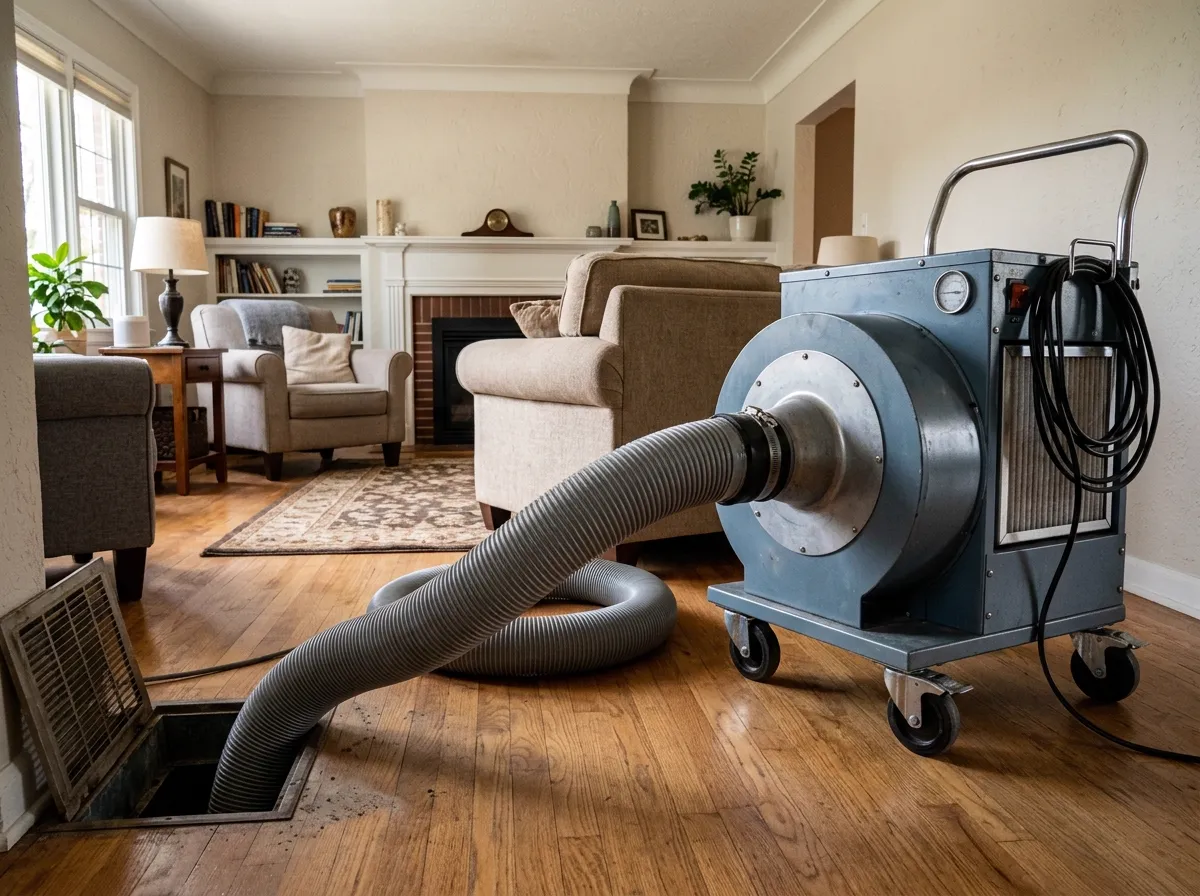
Professional air duct cleaning -- remove winter buildup before pollen season peaks
Dryer vent inspection and cleaning -- clear lint accumulated from heavy winter use
HVAC filter replacement -- switch to a fresh filter as you transition to cooling mode
AC system test run -- verify cooling works before you need it on the first hot day
Clean all supply and return vent covers -- remove dust buildup with warm soapy water

#1
Best Time to Clean
89%
Humidity Some Days
Summer: The Humidity Battle
DC summers are brutal -- not just the heat, but the oppressive humidity. Average humidity in July and August hovers near 70%, creating ideal conditions for mold growth inside your ductwork. Your AC runs almost continuously, cycling the same air through potentially contaminated ducts thousands of times. Energy bills spike as clogged systems work 25-40% harder to cool your home.
The condensation that forms on cold AC coils and inside ductwork during this period feeds mold colonies that can spread rapidly in the dark, damp environment of your duct system. Meanwhile, indoor air quality reaches its worst levels of the year as families spend more time indoors with windows sealed against the heat.
Summer Maintenance Tasks:
Dehumidifier check -- ensure proper drainage and operation to keep indoor humidity below 50%
Condensation inspection -- check for moisture around AC vents, ducts, and the drip pan
UV light maintenance -- if installed, verify UV sanitization system is functioning properly
Monthly AC filter changes -- high-use summer demands more frequent replacement
Mold inspection around vents -- look for discoloration or musty odors from registers
Fall: Prepare for Lockdown
Fall in the DMV brings a second wave of allergens as ragweed season peaks in September. The Shenandoah Valley to the west funnels ragweed pollen directly into the DC metro area. As temperatures drop and you close your windows for winter, you are sealing in whatever airborne contaminants have entered your home during the warmer months.
This is also when you switch your HVAC from cooling to heating -- a transition that stirs up months of accumulated dust and debris. The first time you fire up the furnace, you may smell burning dust as particles on the heat exchanger ignite. A pre-season inspection and duct cleaning eliminates this issue and ensures your heating system runs safely and efficiently all winter.
Fall Maintenance Tasks:
Chimney inspection and sweep -- essential before the first fire of the season to prevent chimney fires
Furnace tuneup and safety inspection -- verify ignition, heat exchanger integrity, and gas connections
Duct inspection -- check for leaks, disconnections, and insulation damage before heating season
Carbon monoxide detector check -- test all detectors and replace batteries before sealed-home season
Clean outdoor HVAC unit -- remove fallen leaves, debris, and vegetation from around the condenser

#2
Best Time to Clean
90%
Time Indoors
Winter: The Sealed Home Trap
Winter in the DMV means your home becomes a sealed environment. Windows stay shut, doors stay closed, and your furnace runs continuously. The average American spends 90% of their time indoors during winter -- and that percentage climbs even higher during DC's coldest months. Every pollutant, every particle, every bit of cooking smoke and candle soot stays trapped inside.
Holiday cooking, fireplace use, scented candles, and increased dryer loads all contribute to a surge in indoor air contaminants. Dry winter air (humidity can drop below 20% indoors) causes respiratory irritation on its own, and dirty ducts compound the problem by circulating dust and allergens through bone-dry air that cannot settle particles effectively.
Winter Maintenance Tasks:
Humidifier check -- ensure proper water panel function and cleanliness to combat dry winter air
Filter check and replacement -- furnace filters clog faster with continuous winter operation
Dryer vent cleaning -- heavy winter laundry loads increase lint buildup and fire risk dramatically
Carbon monoxide vigilance -- with gas furnaces and fireplaces running, CO monitoring is critical
Ventilation assessment -- briefly open windows during mild spells to flush stale indoor air
Monthly Quick-Check Checklist
Print this out and keep it on your fridge. Two to three essential tasks every month keep your home's air clean and your HVAC running efficiently.
January
- Check humidifier water panel
- Inspect furnace filter
- Test carbon monoxide detectors
February
- Clean dryer vent lint trap area
- Check for ice dams and moisture entry
- Schedule spring duct cleaning
March
- Replace HVAC filter (spring swap)
- Schedule professional duct cleaning
- Inspect outdoor AC unit for winter damage
April
- Test AC system before summer
- Clean supply and return vent covers
- Check thermostat programming for cooling
May
- Deep clean dryer vent
- Inspect condensate drain line
- Replace filter before heavy AC use
June
- Change AC filter (monthly during summer)
- Check for moisture around AC vents
- Inspect dehumidifier if applicable
July
- Replace AC filter again
- Check for mold around vents and registers
- Inspect ductwork insulation in attic
August
- Change AC filter
- Clean condensate drain pan
- Schedule fall HVAC inspection
September
- Schedule fall duct inspection
- Test furnace before first use
- Replace filter for fall transition
October
- Schedule chimney sweep before first fire
- Inspect and seal ductwork joints
- Check carbon monoxide detectors
November
- Replace furnace filter for heating season
- Clean dryer vent before heavy winter use
- Inspect humidifier for winter readiness
December
- Check furnace filter (holiday cooking adds particles)
- Ventilate after holiday cooking and candle use
- Inspect for drafts around duct connections
DC / VA / MD Climate Data
Understanding your local climate helps you anticipate air quality challenges. Here is what the DMV faces month by month.
Jan
Sealed home pollutants
Feb
Dry air, furnace dust
Mar
Tree pollen begins
Apr
Cherry blossom pollen peak
May
Grass pollen, mold spores
Jun
Humidity + mold growth
Jul
Peak humidity, AC strain
Aug
Ragweed starts, mold peak
Sep
Ragweed peak season
Oct
Leaf mold, furnace dust
Nov
First heating cycle dust
Dec
Sealed home, holiday soot
Data represents averages for the Washington DC metropolitan area. Conditions vary by specific location within DC, Northern Virginia, and Maryland.
The Cost of Skipping Seasonal Maintenance
Neglecting seasonal HVAC maintenance does not just mean dirty air. It means real financial and health consequences that compound over time.
25-40%
Extra energy used
Higher Energy Bills
Dirty ducts and clogged filters force your HVAC to work 25-40% harder. For an average DMV home, that translates to hundreds of dollars in wasted energy every year. Clean systems operate at peak efficiency, and homeowners who maintain seasonal schedules consistently report 15-30% lower utility bills.
5-8 yrs
Shorter lifespan
Premature Equipment Failure
HVAC systems that run through dirty ductwork experience accelerated wear. The average lifespan of a well-maintained system is 15-20 years. Without proper maintenance, that drops to 8-12 years. An early replacement costs thousands of dollars that proper seasonal care would have prevented.
5-7x
More allergens
Health Impacts
Contaminated air ducts circulate allergens, mold spores, bacteria, and particulate matter through your home continuously. This exacerbates allergies, asthma, and respiratory conditions. Children, seniors, and immunocompromised individuals are especially vulnerable to indoor air quality problems from unmaintained ductwork.
3x
Higher repair cost
Emergency Repair Costs
Systems that are not maintained seasonally are far more likely to fail during extreme weather -- exactly when you need them most. Emergency HVAC repairs during a summer heat wave or winter cold snap cost significantly more than preventive maintenance. Seasonal care catches small issues before they become emergencies.
Without Seasonal Maintenance
- Higher monthly energy bills
- Frequent breakdowns and repairs
- Poor indoor air quality and health issues
- HVAC replacement in 8-12 years
- Emergency service at premium rates
With Seasonal Maintenance
- 15-30% lower energy bills
- Rare breakdowns, predictable costs
- Clean air, fewer allergy symptoms
- HVAC lasts 15-20+ years
- Issues caught early at standard rates
Seasonal Maintenance FAQ
Common questions DMV homeowners ask about seasonal air duct cleaning and HVAC maintenance.
Schedule Your Seasonal Maintenance
Book Your Spring Duct Cleaning Before Allergy Season Peaks
Free camera inspection. Same-day availability. 100% satisfaction guaranteed -- or your money back.