Musty or Burning Smell When You Turn On the Heat?
Every fall, DMV homeowners fire up the heat for the first time and get hit with that unmistakable smell. Sometimes it's harmless. Sometimes it's a warning sign.
When That First-Heat Smell Is a Problem
Check how many of these apply to your home:
The Data Is Clear
A brief burning dust smell for the first 1-2 heat cycles of the season is normal — it's accumulated dust on the heat exchanger burning off. But if the musty smell persists for more than 24 hours, it likely indicates mold growth, bacterial biofilm, or excessive debris inside the ductwork. DMV homes that use AC all summer create perfect conditions for mold growth in idle heating ducts.
Why Your Heater Smells When It Starts Up
Dust Accumulation on the Heat Exchanger
During the months your heater sits idle (typically May through September in the DMV), dust settles on the heat exchanger, burners, and inside the furnace cabinet. When you fire it up, this dust burns off, creating a brief burning smell. This is normal and should dissipate within 1-2 heating cycles.
Mold Growth in Ductwork
DMV summers are humid. Your AC creates condensation inside the duct system, and if ducts aren't well-insulated or have air leaks, moisture accumulates. Mold colonies grow silently during summer months, and when the heat turns on and air flows through the ducts, you smell the mold. If the musty smell persists beyond 24 hours, mold is likely.
Bacterial Biofilm on the Evaporator Coil
The evaporator coil stays wet during AC season. Bacteria and mold colonize the coil surface, creating a biofilm. When heating season starts and airflow patterns change, the biofilm dries and releases odor-causing particles into the air stream. This is sometimes called "Dirty Sock Syndrome."
Dead Pests or Debris
During the months between heating and cooling, insects, mice, or small animals may enter the duct system. Their remains produce a musty or foul odor when the system reactivates and airflow distributes the smell.
How to Eliminate the First-Heat Smell Permanently
Our professional process addresses the root cause — not just the symptoms.
Wait and Observe
Run the heat for 2-3 cycles. If the burning dust smell dissipates within 24 hours, it was normal dust burn-off. If musty, damp, or foul odors persist, professional attention is needed.
Professional Duct Cleaning
We remove accumulated dust, mold, debris, and any biological material from the entire duct system — addressing the source of persistent odors, not just masking them.
Coil Cleaning
Cleaning the evaporator coil removes biofilm and mold that cause "Dirty Sock Syndrome" and persistent musty odors during heating season changeover.
Preventive Schedule
Schedule fall duct cleaning before heating season (September-October) to eliminate the smell before it starts. This is our most popular appointment season in the DMV.
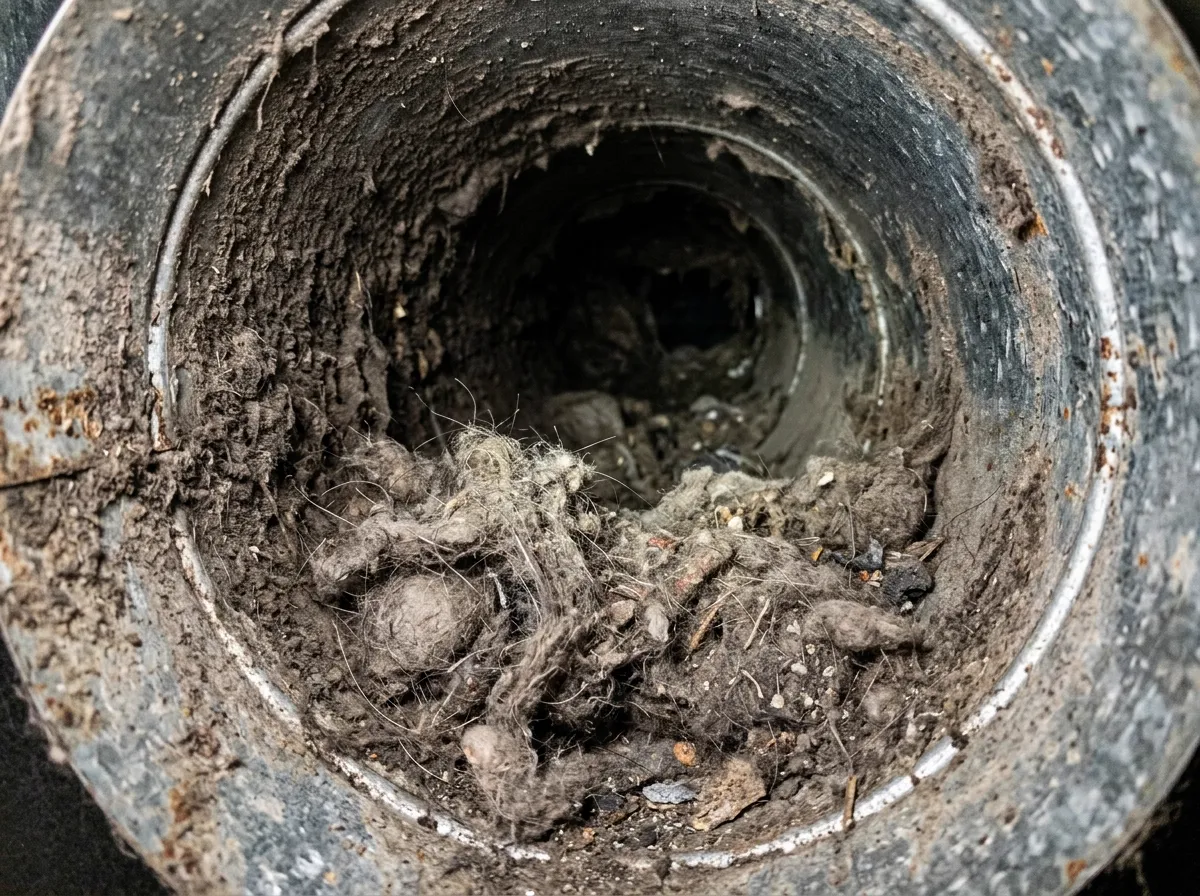
"They showed me the camera footage of what was in our ducts. I couldn't believe it. The difference after cleaning was immediate."
— Jennifer K., Capitol Hill DC
$299-$599
Standard duct cleaning. Fall appointments (September-October) are our busiest season — book early for preferred scheduling.
What You Can Expect
Frequently Asked Questions
The initial burning dust smell during the first 1-2 cycles is not dangerous — it's dust burning off the heat exchanger. Open a window for ventilation during the first run. However, if you smell gas (rotten eggs), see smoke, or the burning smell is intense or persistent, turn off the system immediately and call for service.
Don't Live With This Problem Another Day
Our licensed and insured technicians can diagnose and solve the problem — usually in a single visit. Free inspection, no obligation.