Your House Smells Like Wet Dog — But You Don't Have a Dog?
That damp, musty, "wet animal" smell is one of the most common complaints we hear from DMV homeowners. The source is almost always inside your HVAC system.
What That Wet Dog Smell Really Means
Check how many of these apply to your home:
The Data Is Clear
The "wet dog" smell is caused by microbial volatile organic compounds (MVOCs) produced by bacteria and mold metabolizing organic material inside your ductwork. These microorganisms are actively growing and reproducing in your HVAC system, and you are breathing their metabolic byproducts with every breath.
Why Your House Smells Like a Wet Dog
Evaporator Coil Biofilm
The AC evaporator coil is constantly wet during cooling season. In the DMV's humid climate, bacteria colonize the damp coil surface and form a biofilm. This biofilm produces the characteristic "wet dog" or "dirty sock" smell, especially noticeable when the system first starts up. This is so common it has an industry name: Dirty Sock Syndrome.
Condensate Drain Problems
Your AC produces gallons of condensation daily during DMV summers. If the condensate drain pan or drain line is partially clogged, standing water becomes a breeding ground for bacteria and algae. The resulting smell circulates through the entire duct system.
Mold in Ductwork
Moisture from condensation, humidity, or past water leaks supports mold growth on duct interior surfaces. Mold metabolizes dust and organic debris inside ducts, producing musty MVOCs that smell like damp animal fur.
Pet Dander and Hair Accumulation
If you do have pets, their dander and hair accumulate in ductwork. When humidity rises, this organic material absorbs moisture and becomes a food source for bacteria — producing the classic wet dog smell even in rooms the pet never enters.
How We Permanently Eliminate the Wet Dog Smell
Our professional process addresses the root cause — not just the symptoms.
Source Identification
We inspect the evaporator coil, condensate drain, and duct interiors to pinpoint where the microbial activity is occurring. Different sources require different treatments.
Evaporator Coil Cleaning
Deep cleaning of the evaporator coil removes biofilm and accumulated grime. This is the #1 source of "wet dog" smell and the most impactful single treatment.
Condensate System Flush
We clear the drain pan and flush the condensate drain line to eliminate standing water and biological growth.
Full Duct Cleaning
Complete ductwork cleaning removes the organic debris that feeds microbial growth. This eliminates the food source, not just the current smell.
Antimicrobial Treatment
EPA-registered antimicrobial application to the coil, drain pan, and duct interiors prevents regrowth and eliminates residual odor.
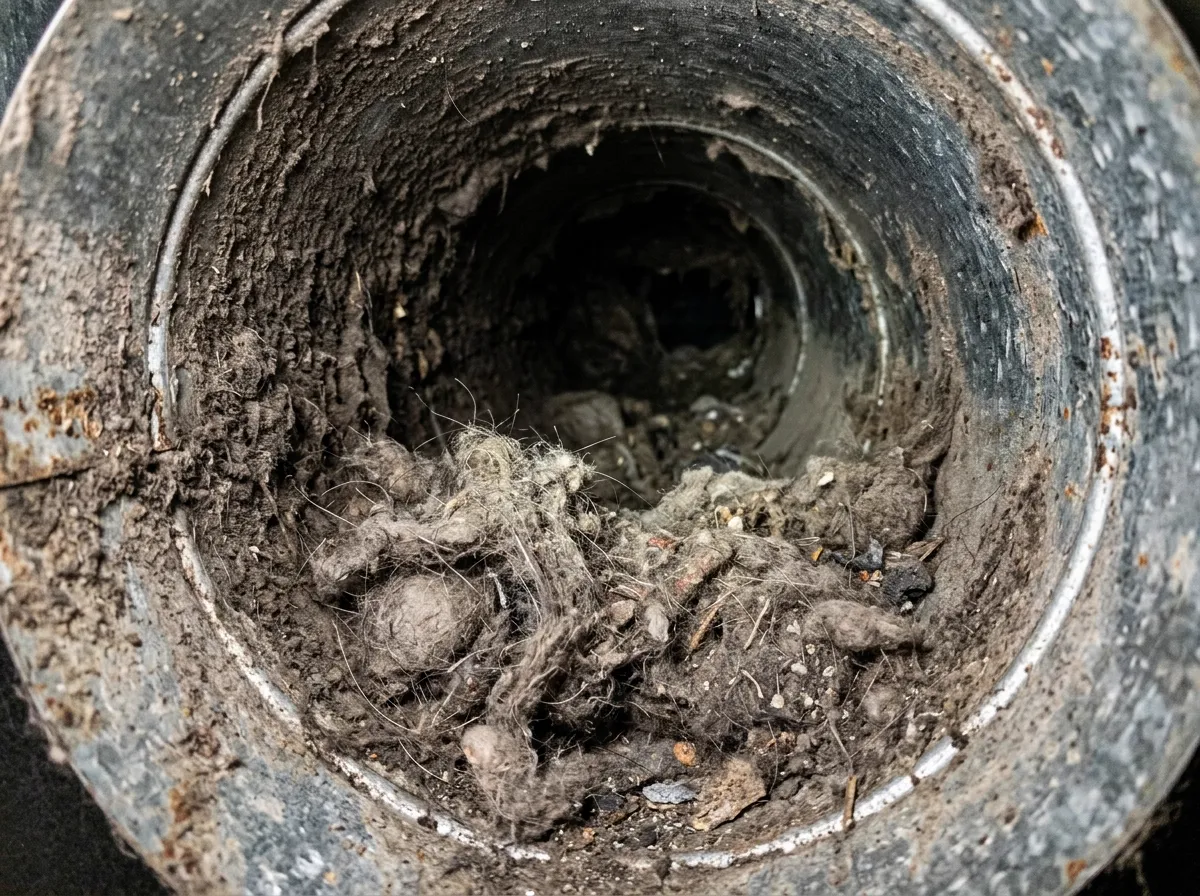
"They showed me the camera footage of what was in our ducts. I couldn't believe it. The difference after cleaning was immediate."
— Jennifer K., Capitol Hill DC
$349-$699
Includes duct cleaning and evaporator coil cleaning. Antimicrobial treatment is an additional $149-$249. Most DMV homeowners need the combination treatment for complete odor elimination.
What You Can Expect
Frequently Asked Questions
The smell itself (MVOCs) can cause headaches, nausea, and respiratory irritation. More importantly, it indicates active microbial growth in your HVAC system. These microorganisms release spores and fragments that can trigger allergies, asthma, and other respiratory conditions. It is not just an odor problem — it is a health concern.
Don't Live With This Problem Another Day
Our licensed and insured technicians can diagnose and solve the problem — usually in a single visit. Free inspection, no obligation.