That Mildew Blast Every Time Your AC Kicks On?
Moisture is breeding mold and bacteria inside your HVAC system — and blowing it directly into your living space every cooling cycle.
Your AC Is Circulating Mold Spores Through Every Room
Check how many of these apply to your home:
The Data Is Clear
The evaporator coil in your AC unit is a prime breeding ground for mold. In the DMV's humid climate, condensation collects on the coil and drip pan — creating a perfect mold habitat that spreads spores through your entire duct network with every cooling cycle.
Why Your AC Smells Like Mildew
Dirty Evaporator Coil
The evaporator coil condenses moisture from humid DMV air. When dust and organic matter accumulate on the coil, they create a nutrient-rich environment for mold and mildew growth. This is the most common cause of AC mildew smell.
Clogged Condensate Drain
Your AC removes 5-20 gallons of moisture per day in DMV summers. If the condensate drain line is clogged, standing water in the drip pan becomes a mold incubator that feeds contaminated air back into your home.
Mold in Ductwork
Once mold establishes on the evaporator coil, spores travel through ductwork and colonize any surface with accumulated dust. Flex duct insulation is particularly susceptible, as the textured interior traps moisture and organic material.
Oversized AC Unit
An oversized AC cools quickly but shuts off before removing enough humidity, a common problem in DMV homes. Short-cycling leaves excess moisture in the system, accelerating mold growth on coils, drip pans, and duct surfaces.
How We Eliminate the Mildew Smell Permanently
Our professional process addresses the root cause — not just the symptoms.
Full System Inspection
We inspect your evaporator coil, condensate drain, drip pan, and ductwork with HD cameras to identify every source of mold and moisture.
Evaporator Coil Cleaning
Professional cleaning of the evaporator coil removes the primary mold source. We use EPA-registered antimicrobial treatments that prevent regrowth.
Condensate Drain Service
We clear the condensate drain line and treat the drip pan to eliminate standing water mold.
Full Duct System Cleaning
Negative-pressure HEPA-filtered extraction removes mold spores, dust, and debris from your entire duct network.
Sanitization and Prevention
EPA-registered sanitizer application throughout the system, plus recommendations for UV lights or dehumidification to prevent recurrence.
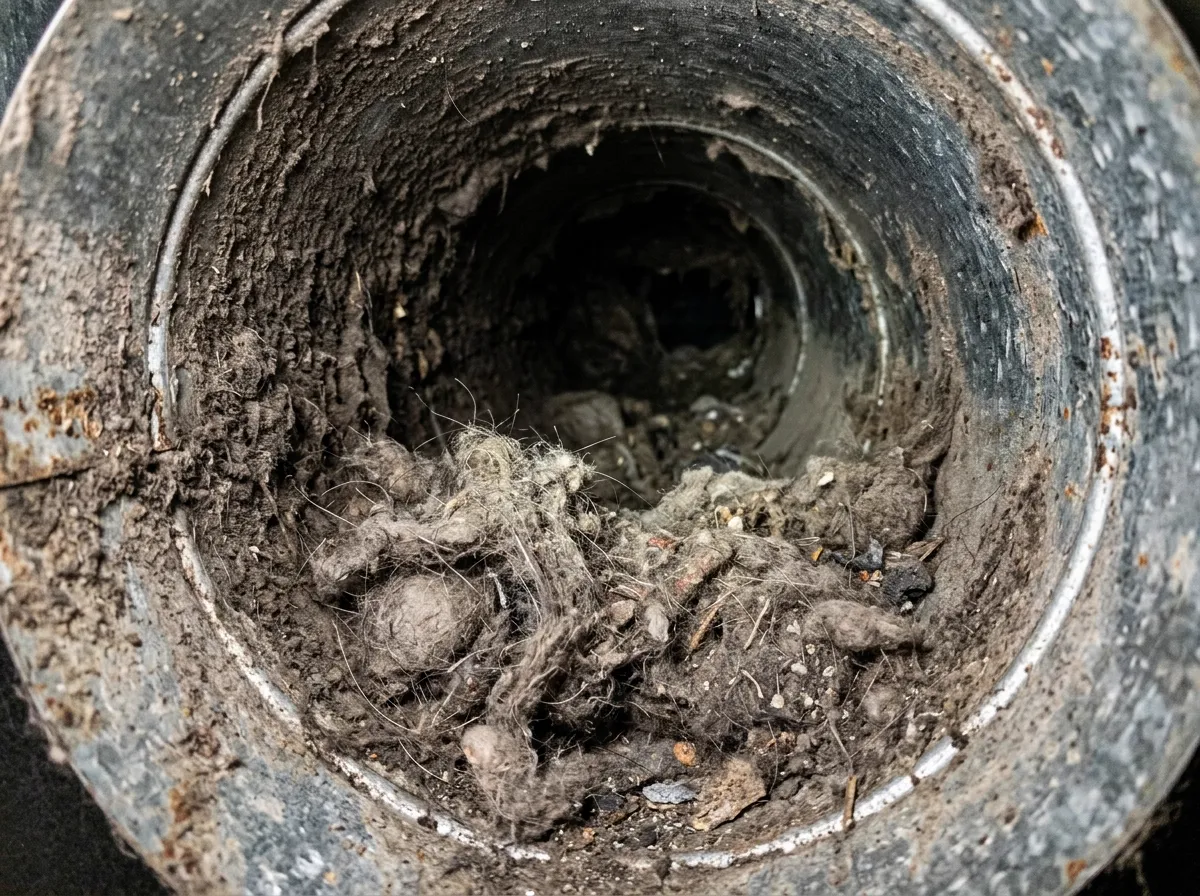
"They showed me the camera footage of what was in our ducts. I couldn't believe it. The difference after cleaning was immediate."
— Jennifer K., Capitol Hill DC
Call for quote
Treatment depends on system size and mold extent. Free camera inspection helps us scope the job accurately before any work begins.
What You Can Expect
Frequently Asked Questions
When your AC is off, moisture on the evaporator coil and in the drip pan allows mold to actively grow. When the system turns on, the initial airflow blasts concentrated mold spores and musty air through your ducts. After running for a while, the continuous airflow somewhat dilutes the smell — but the mold is still there and still producing spores.
Don't Live With This Problem Another Day
Our licensed and insured technicians can diagnose and solve the problem — usually in a single visit. Free inspection, no obligation.