Birds Built a Nest in Your Dryer Vent?
It happens more than you'd think — and it's not just an inconvenience. A nest-blocked dryer vent is a serious fire hazard that needs prompt professional attention.
Signs of a Bird-Blocked Dryer Vent
Check how many of these apply to your home:
The Data Is Clear
A bird nest combined with lint is extremely flammable. The dry grass, twigs, and feathers of the nest plus accumulated lint create perfect fire fuel inside a confined vent pipe that carries hot exhaust air. The CPSC reports that blocked dryer vents cause thousands of fires annually. DMV homes are especially vulnerable — European Starlings, House Sparrows, and Carolina Wrens actively seek out dryer vents for nesting from March through August.
Why Birds Choose Your Dryer Vent
Warm, Sheltered Opening
Dryer vents emit warm, moist air that attracts birds looking for a sheltered nesting spot. The vent pipe provides a dry, warm, predator-protected cavity — ideal nesting conditions. During DMV springs (March-May), birds actively seek these locations.
Missing or Broken Vent Cover
Standard louvered dryer vent covers easily get stuck open by lint buildup, wind, or age. Once the flapper is stuck open, birds can enter freely. Many DMV homes have original vent covers from construction that are deteriorated or missing entirely.
Vent Location Near Nesting Habitat
Dryer vents near trees, bushes, or covered areas are more likely to attract nesting birds. The proximity to existing habitat and food sources makes the vent even more attractive.
Seasonal Nesting Behavior
Spring and early summer (March-July) is peak nesting season in the DMV. European Starlings are the most common culprit — they're cavity nesters that aggressively seek out holes in buildings, including dryer vents, bathroom exhausts, and range hoods.
How We Remove Nests and Protect Your Vent
Our professional process addresses the root cause — not just the symptoms.
Safe Nest Removal
We carefully remove the nest and all nesting material from the vent pipe. If eggs or chicks are present, we follow local wildlife guidelines. Note: most nesting birds in DMV dryer vents (Starlings, Sparrows) are non-protected invasive species.
Full Vent Cleaning
After nest removal, we clean the entire vent run with rotary brushes and vacuum to remove all remaining debris, feathers, and lint that accumulated behind the blockage.
Bird Guard Installation
We install a professional bird guard or pest-proof vent cover that allows lint and air to exit freely but prevents birds and rodents from entering. This is the key to preventing recurrence.
Dryer Safety Check
We verify proper airflow, check the dryer vent connection, and ensure the dryer is operating safely after the blockage is cleared.
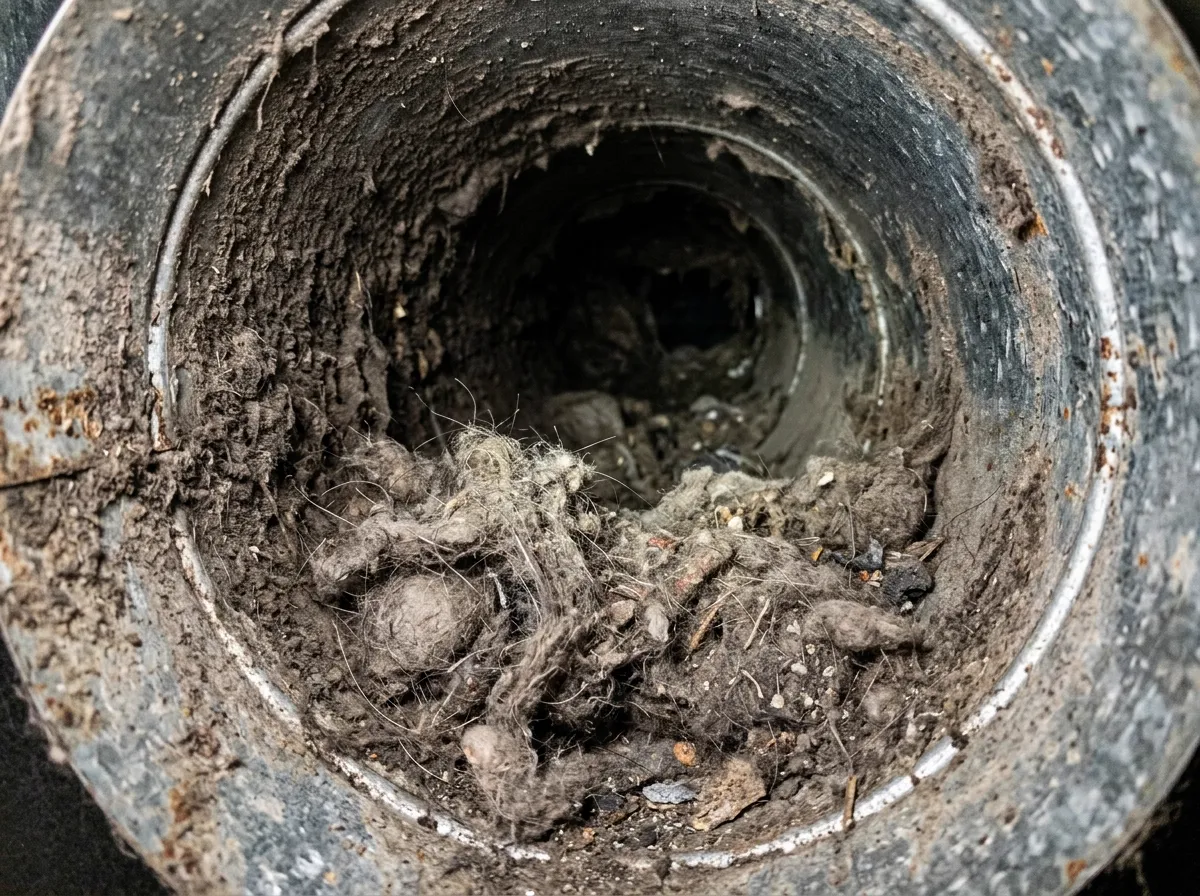
"They showed me the camera footage of what was in our ducts. I couldn't believe it. The difference after cleaning was immediate."
— Jennifer K., Capitol Hill DC
$149-$299
Includes nest removal, full vent cleaning, and bird guard installation. If the vent pipe is damaged by nesting activity, repair costs vary.
What You Can Expect
Frequently Asked Questions
Ideally before eggs are laid (early spring) or after fledglings leave (late summer). However, dryer vent blockages are a fire hazard that shouldn't wait. European Starlings and House Sparrows — the most common DMV dryer vent invaders — are non-native invasive species not protected by the Migratory Bird Treaty Act, so removal is legal year-round.
Don't Live With This Problem Another Day
Our licensed and insured technicians can diagnose and solve the problem — usually in a single visit. Free inspection, no obligation.