That Lint Behind Your Dryer Is a Fire Waiting to Happen
Dryer lint is the #1 cause of clothes dryer fires. If you can see lint behind or around your dryer, your vent system needs professional attention.
Warning Signs of Dangerous Lint Buildup
Check how many of these apply to your home:
The Data Is Clear
The U.S. Fire Administration reports 2,900 dryer fires per year, causing $35 million in property damage. Lint buildup is the cause in 34% of cases. Lint ignites at just 480°F — and a clogged dryer vent can reach that temperature. DMV townhomes with long vent runs through walls and ceilings are at highest risk.
How Lint Accumulates in Your Dryer System
Disconnected or Loose Vent Hose
The flexible hose connecting your dryer to the wall can slip off, crack, or develop holes. When this happens, lint escapes into the space behind the dryer and potentially into the wall cavity. This is extremely common — we find disconnected hoses in roughly 1 in 5 DMV service calls.
Long or Complex Vent Runs
DMV townhomes and condos often route dryer vents 20-40 feet through interior walls and ceilings to reach an exterior exit point. Every foot of vent run and every elbow creates a lint accumulation point. Runs over 25 feet with multiple turns are high-risk.
Crushed Flex Duct
The flexible aluminum duct behind the dryer gets crushed when the dryer is pushed too close to the wall. The ridges in flex duct catch lint, and crushing creates bottlenecks where lint accumulates rapidly.
Inadequate Lint Trap
If your lint screen doesn't fit properly, is damaged, or you're using dryer sheets that coat the screen with residue, more lint enters the vent system than the trap catches. Hold your lint screen under running water — if water pools instead of flowing through, the screen needs cleaning with a brush and soap.
How We Eliminate Lint Buildup
Our professional process addresses the root cause — not just the symptoms.
Dryer Disconnect & Inspection
We safely disconnect the dryer and inspect the vent hose connection, the wall port, and the area behind the dryer for lint accumulation.
Full Vent Line Cleaning
Rotary brush and high-powered vacuum clean the entire vent run from dryer to exterior exit, removing all lint and debris.
Connection Restoration
We reconnect the dryer with proper metal vent hose, secure all connections with clamps, and ensure proper clearance behind the dryer.
Airflow Verification
We verify strong airflow at the exterior vent cap and confirm the dryer is operating safely with proper exhaust.
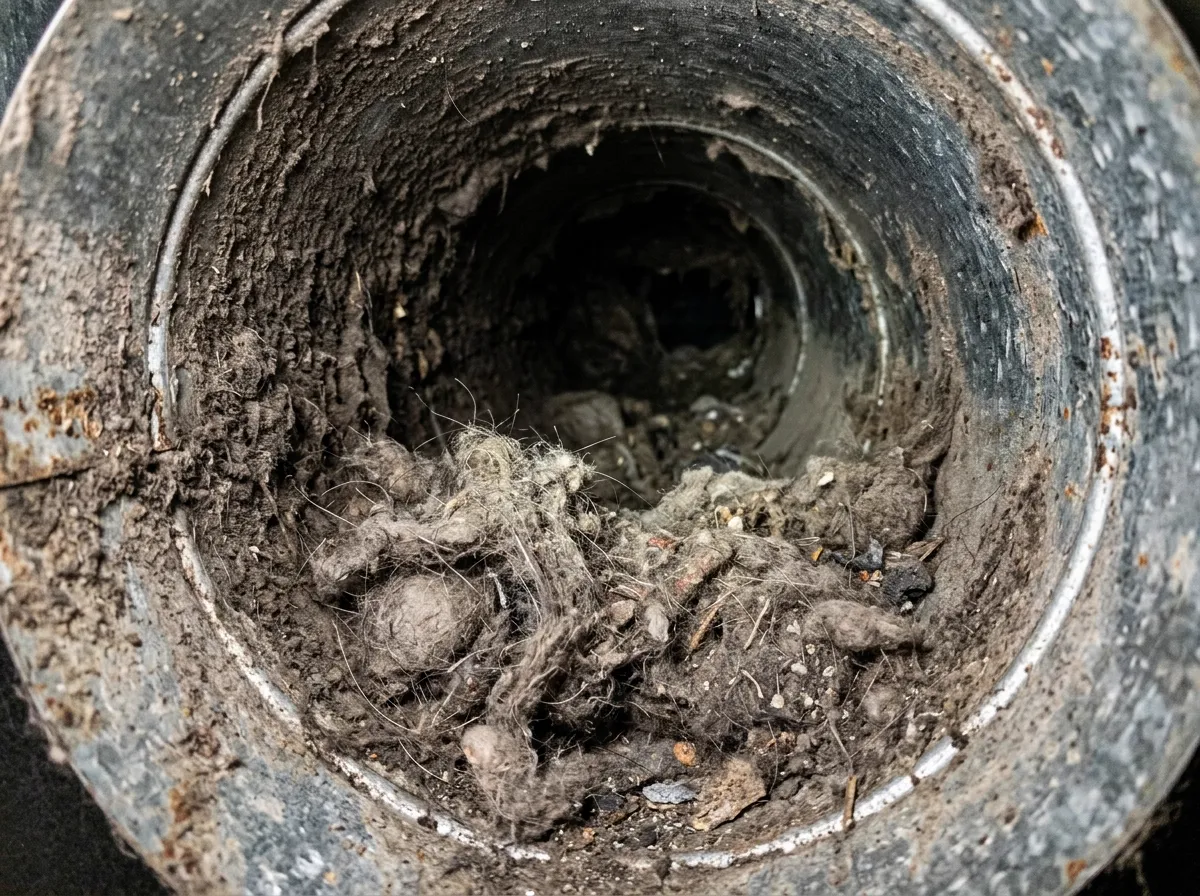
"They showed me the camera footage of what was in our ducts. I couldn't believe it. The difference after cleaning was immediate."
— Jennifer K., Capitol Hill DC
$129-$249
Standard dryer vent cleaning. If the flex hose needs replacement or the vent run has structural issues, we'll provide options on-site.
What You Can Expect
Frequently Asked Questions
At minimum once per year for typical household use. If you have a large family doing 7+ loads per week, every 6 months. DMV townhomes with vent runs over 20 feet should be cleaned annually regardless — the longer the run, the faster lint accumulates.
Don't Live With This Problem Another Day
Our licensed and insured technicians can diagnose and solve the problem — usually in a single visit. Free inspection, no obligation.