Water Dripping and Condensation on Your Air Vents?
Sweating vents are more than an annoyance — they're a warning that moisture is building up in your HVAC system, risking mold growth and water damage.
That Condensation Is Creating a Mold Factory Inside Your Walls
Check how many of these apply to your home:
The Data Is Clear
The DMV's humid summer climate makes vent condensation especially common and dangerous. When warm, humid attic air contacts cold ductwork, condensation forms on both the outside of ducts and inside at vent openings. This persistent moisture is the number one cause of hidden mold growth in DMV HVAC systems.
Why Your Air Vents Are Sweating
High Indoor Humidity
The DMV regularly sees 70-90% outdoor humidity in summer. If your home's indoor humidity exceeds 55%, warm moist room air hitting cold vent surfaces causes condensation, similar to a cold glass sweating on a hot day.
Poor Duct Insulation
Ductwork running through unconditioned attics and crawl spaces must be properly insulated. Missing, compressed, or deteriorated insulation allows the extreme temperature difference to create condensation on the duct exterior, which drips down to vents below.
Oversized AC System
An oversized AC cools air too quickly, causing the supply air temperature to be excessively cold. This extreme cold meeting room-temperature air at the vent creates heavy condensation. Oversized systems are common in DMV homes where contractors installed bigger units than necessary.
Blocked Return Air
When return airflow is restricted by dirty filters, blocked returns, or closed doors, the system pulls less air, causing supply temperatures to drop lower than designed. This super-cooled air creates condensation at the vent discharge point.
How We Stop Vent Condensation Permanently
Our professional process addresses the root cause — not just the symptoms.
Humidity and Airflow Assessment
We measure indoor humidity, supply air temperature, and airflow at each affected vent to identify the root cause — not just treat the symptom.
Duct Inspection
Camera inspection of ductwork in attics and crawl spaces reveals insulation gaps, moisture damage, and mold growth on duct exteriors and interiors.
Duct Cleaning and Mold Treatment
If mold has developed from persistent moisture, we clean the full duct system and apply EPA-registered antimicrobial treatment.
Insulation and Sealing
We repair or add insulation to exposed ductwork and seal joints where conditioned air leaks meet humid unconditioned air.
Humidity Management Plan
Recommendations for dehumidification, ventilation, and filter upgrades to keep indoor humidity below 50% and prevent recurrence.
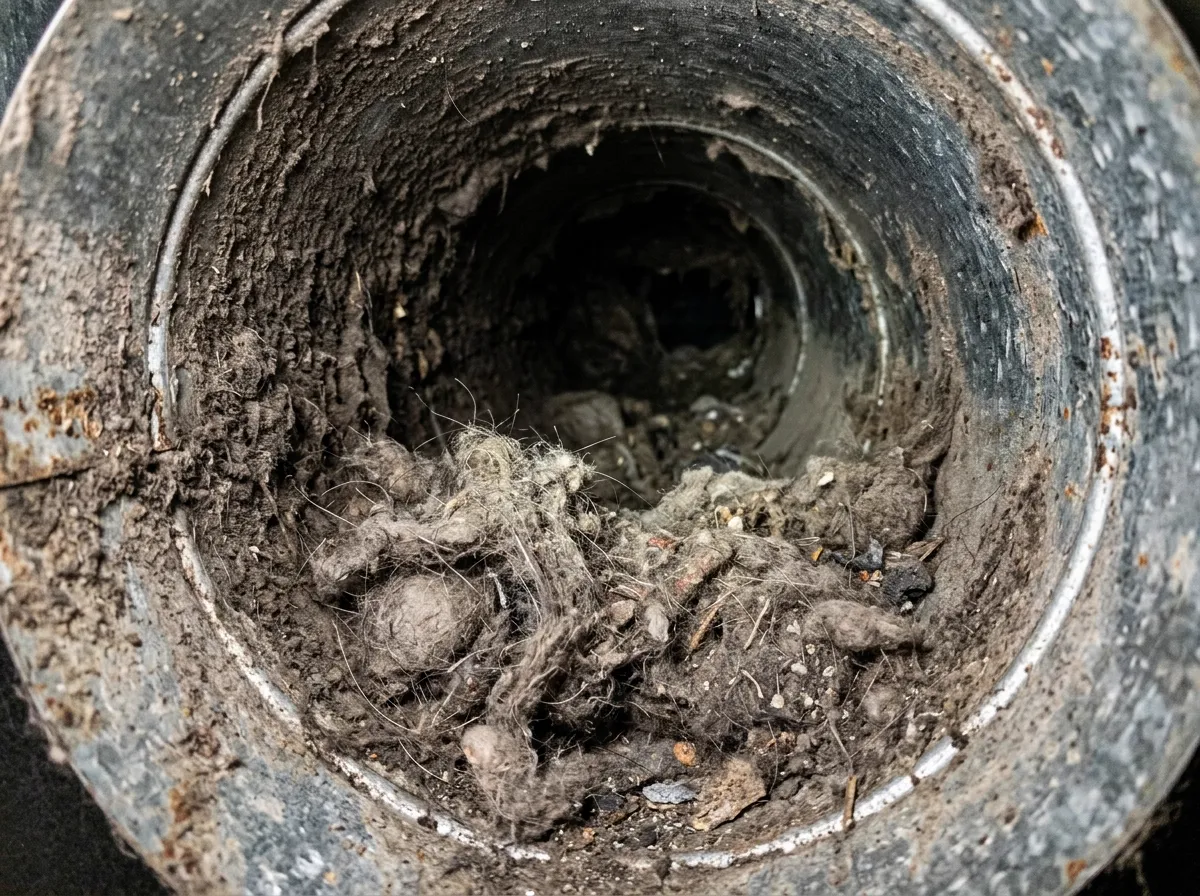
"They showed me the camera footage of what was in our ducts. I couldn't believe it. The difference after cleaning was immediate."
— Jennifer K., Capitol Hill DC
Call for quote
Solution depends on root cause. Duct insulation repair is often the most cost-effective fix. Free inspection identifies whether you need cleaning, insulation work, or humidity management solutions.
What You Can Expect
Frequently Asked Questions
Yes, it can be. Persistent moisture creates ideal conditions for mold growth in and around your ductwork. Mold can establish within 24-48 hours on wet surfaces. In the DMV's humid climate, condensation that goes unaddressed almost always leads to mold problems, which can cause respiratory issues and property damage.
Don't Live With This Problem Another Day
Our licensed and insured technicians can diagnose and solve the problem — usually in a single visit. Free inspection, no obligation.