Carbon Monoxide Alarm Going Off Near Your Furnace?
CO is odorless and invisible. If your detector is alerting, evacuate immediately and call 911. Then read this to understand what caused it and how to prevent it.
Carbon Monoxide Warning Signs
Check how many of these apply to your home:
The Data Is Clear
Carbon monoxide kills over 400 Americans each year and sends 50,000+ to the emergency room. Furnaces with cracked heat exchangers are a leading source. CO poisoning symptoms mimic the flu — many people don't realize they're being poisoned until it's too late. The risk is highest in older DMV homes (1960s-1990s) with original gas furnaces nearing end-of-life.
How Furnaces Produce Carbon Monoxide
Cracked Heat Exchanger
The heat exchanger separates combustion gases from the air your family breathes. When it cracks — from age, thermal stress, or corrosion — carbon monoxide leaks into the supply air and is distributed throughout your home via the ductwork. This is the most dangerous furnace failure.
Blocked or Damaged Flue/Vent
The exhaust flue carries combustion gases safely outside. If the flue is blocked (bird nests, debris, collapsed liner) or disconnected, CO backs up into the furnace area and can enter the duct system. DMV homes with metal flue liners from the 1970s-80s are particularly susceptible to corrosion and collapse.
Inadequate Combustion Air
Gas furnaces need fresh air for complete combustion. When the furnace room is sealed too tightly (common after DMV home weatherization projects), incomplete combustion produces excess CO. The same negative pressure that pulls chimney odors down can also prevent proper furnace venting.
Dirty Burners or Incorrect Gas Pressure
Dirty burners or incorrect gas valve settings cause incomplete combustion, producing elevated CO levels. Regular maintenance prevents this, but many DMV homeowners skip annual furnace tune-ups.
Immediate Steps and Prevention
Our professional process addresses the root cause — not just the symptoms.
If CO Detector Alarms: Evacuate
Get everyone out of the house immediately. Call 911 from outside. Do not re-enter until the fire department clears the home. Do not turn the furnace off yourself — firefighters will handle it safely.
Professional Furnace Inspection
After the emergency is resolved, an HVAC technician must inspect the heat exchanger, flue, and combustion. If the heat exchanger is cracked, the furnace must be replaced — there is no repair.
Duct System Inspection
We inspect the ductwork for gaps near the furnace that could allow combustion gases to enter the supply air. Proper duct sealing at the furnace plenum is critical for safety.
CO Prevention Audit
We verify CO detectors are properly placed (one on each level, near bedrooms), check for adequate combustion air supply, and inspect the flue connection.
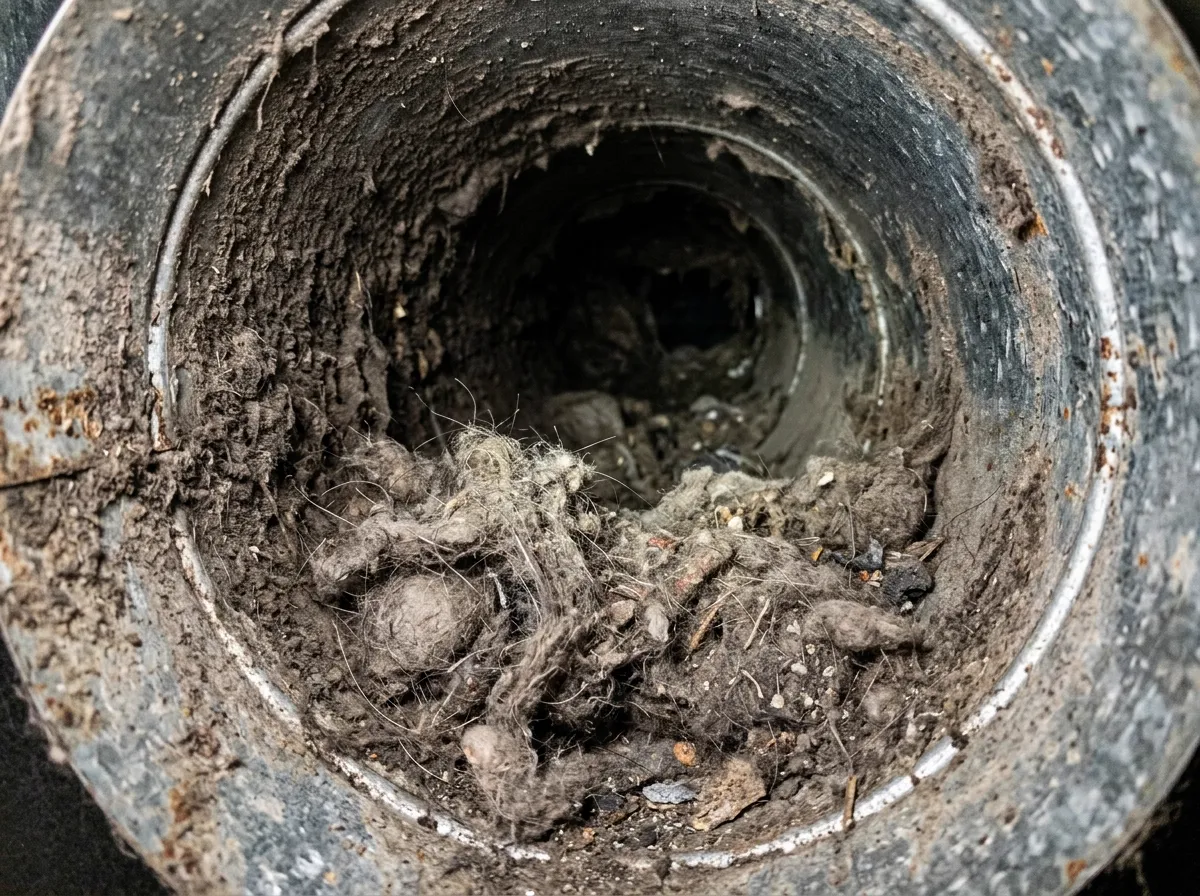
"They showed me the camera footage of what was in our ducts. I couldn't believe it. The difference after cleaning was immediate."
— Jennifer K., Capitol Hill DC
$149-$399
Duct inspection and sealing at furnace connections. Full heat exchanger inspection requires an HVAC technician — we partner with certified professionals throughout the DMV.
What You Can Expect
Frequently Asked Questions
The only reliable way is a CO detector. Install detectors on every level and within 15 feet of all bedrooms. Physical signs include: yellow/orange burner flame (should be blue), soot around the furnace, excessive condensation, and family members experiencing headaches or nausea that improve when leaving the house. If you suspect CO, evacuate and call 911.
Don't Live With This Problem Another Day
Our licensed and insured technicians can diagnose and solve the problem — usually in a single visit. Free inspection, no obligation.