Smoke Smell from Your Fireplace — Even When It's Not Lit?
A smoky odor seeping into your home is more than unpleasant. It signals a chimney draft problem or creosote buildup that can be a fire and health hazard.
Why You're Smelling Smoke
Check how many of these apply to your home:
The Data Is Clear
Creosote — the tar-like residue that causes the smoke smell — is the leading cause of chimney fires in the United States. One-third inch of creosote buildup is the threshold at which chimney fires become a significant risk. In DMV homes with fireplaces that are used 3+ months per year, creosote accumulates faster than many homeowners realize.
What Causes Fireplace Smoke Smell in DMV Homes
Creosote and Soot Buildup
Creosote is a byproduct of wood combustion that lines the chimney flue. Over time, the residue absorbs moisture and emits a strong, acrid odor — especially during humid DMV summers. The smell enters your home when air flows down the chimney instead of up.
Negative Air Pressure
Modern, tight DMV homes (especially newer builds in Ashburn, Loudoun, and Howard County) can create negative air pressure. When exhaust fans, dryer vents, and HVAC systems pull air out of the house, makeup air gets pulled down the chimney — bringing creosote odor with it.
Missing or Damaged Chimney Cap/Damper
Without a proper chimney cap or with a stuck-open damper, rain enters the flue and mixes with creosote, intensifying the smell. The DMV gets 40+ inches of rainfall annually, making this a common issue.
HVAC and Chimney Cross-Contamination
In some homes, the chimney and HVAC ductwork share the same chase or are in close proximity. Smoke odor from the chimney can enter the duct system and distribute throughout the house — making the smell appear in rooms far from the fireplace.
How We Eliminate Fireplace Smoke Smell
Our professional process addresses the root cause — not just the symptoms.
Chimney Inspection
Level 2 inspection to assess creosote levels, flue condition, damper operation, and chimney cap status. We use HD cameras to inspect the entire flue.
Professional Chimney Sweep
Complete removal of creosote and soot using rotary brushes and HEPA-filtered vacuum systems. This eliminates the odor source.
Damper and Cap Check
We verify your damper seals properly when closed and recommend a top-sealing damper or chimney cap if missing or damaged.
Duct System Check
If the smell is reaching other rooms, we inspect for cross-contamination between the chimney chase and HVAC ductwork.
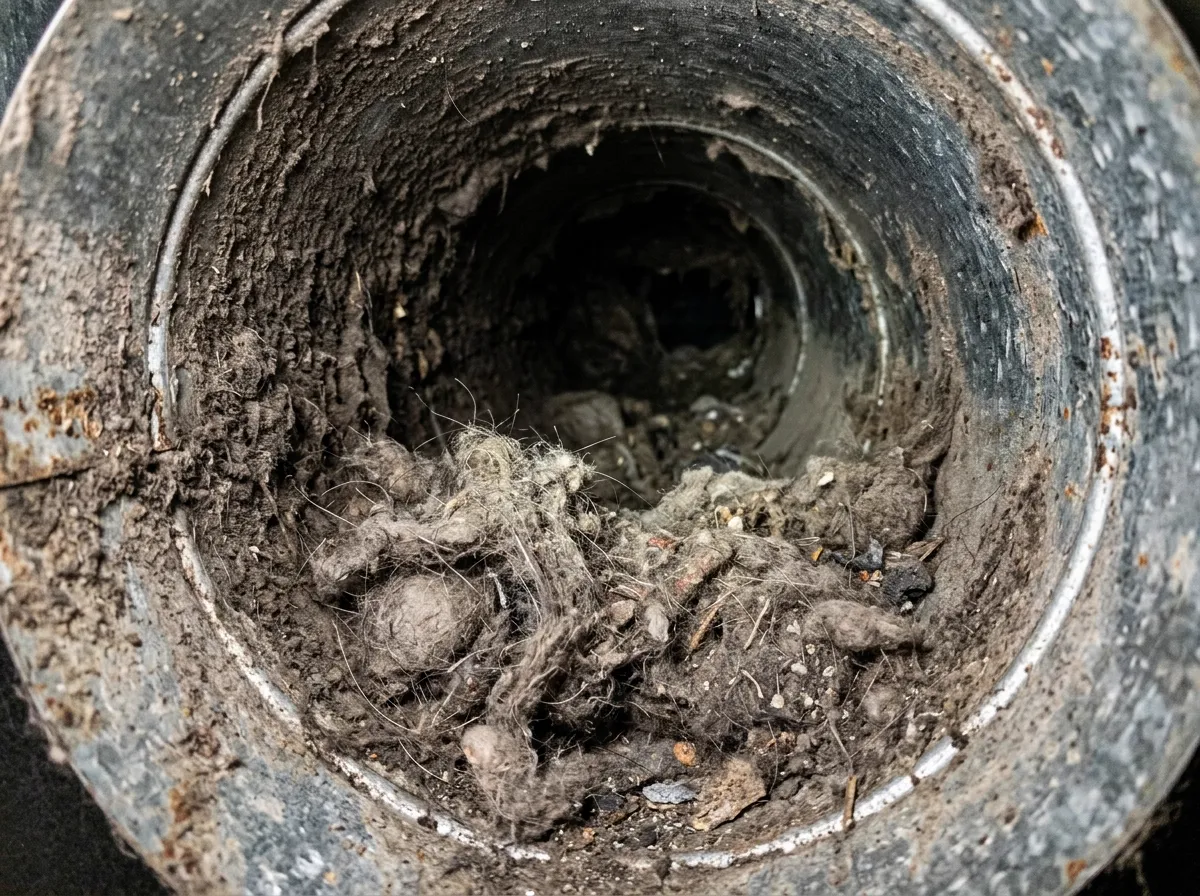
"They showed me the camera footage of what was in our ducts. I couldn't believe it. The difference after cleaning was immediate."
— Jennifer K., Capitol Hill DC
$199-$399
Standard chimney sweep and inspection. If a chimney cap or top-sealing damper is needed, we provide options at the appointment.
What You Can Expect
Frequently Asked Questions
Hot, humid summer air creates a downdraft in the chimney — pushing the creosote-scented air down into your home. The combination of heat and humidity also intensifies the creosote odor chemically. This is why DMV homeowners often notice the smell for the first time when they turn on the AC in May or June.
Don't Live With This Problem Another Day
Our licensed and insured technicians can diagnose and solve the problem — usually in a single visit. Free inspection, no obligation.