Getting Shocked Every Time You Touch Something?
Excessive static electricity in your home is a sign that your HVAC system is creating unhealthy dry air conditions — and your ductwork plays a bigger role than you think.
Signs Your Home's Air Is Too Dry
Check how many of these apply to your home:
The Data Is Clear
Indoor humidity below 30% allows viruses (including flu and COVID) to survive longer on surfaces and in the air. It also causes wood floors, trim, and furniture to crack — repairs that cost thousands. DMV winters regularly drop indoor humidity to 15-20% without proper humidification, well below the 30-50% healthy range.
Why Your Home Is Full of Static
Forced-Air Heating Dries the Air
Gas furnaces and heat pumps heat air without adding moisture. As cold, dry winter air enters your home and is heated, relative humidity plummets. Your HVAC system then distributes this bone-dry air through every room via the ductwork.
Leaky Ductwork Brings In Unconditioned Air
Leaky ducts in attics, crawl spaces, or between floors pull in cold, dry air from unconditioned spaces. This makes the humidity problem worse and forces your heating system to work harder. DMV homes lose an average of 20-30% of conditioned air through duct leaks.
Oversized Heating System
An oversized furnace or heat pump heats the air too quickly, running short cycles that don't allow the humidifier (if you have one) enough time to add moisture. The result is warm but extremely dry air.
No Whole-House Humidifier
Many DMV homes lack a whole-house humidifier, relying on portable units that can't keep up with the output of a central heating system. Your HVAC dries air faster than a portable humidifier can add moisture.
How We Help Solve Dry Air Problems
Our professional process addresses the root cause — not just the symptoms.
Duct Leak Assessment
We identify leaks that allow dry, unconditioned air into your duct system. Sealing these leaks improves both humidity retention and energy efficiency.
Duct Cleaning
Clean ducts allow proper airflow, ensuring your humidifier output reaches every room evenly and your heating system runs efficiently.
Humidity Recommendations
We assess your current humidity control setup and recommend whole-house humidifier options that integrate with your existing HVAC system.
Airflow Balancing
Proper airflow balance ensures conditioned, humidified air reaches every room — eliminating dry spots and hot/cold zones.
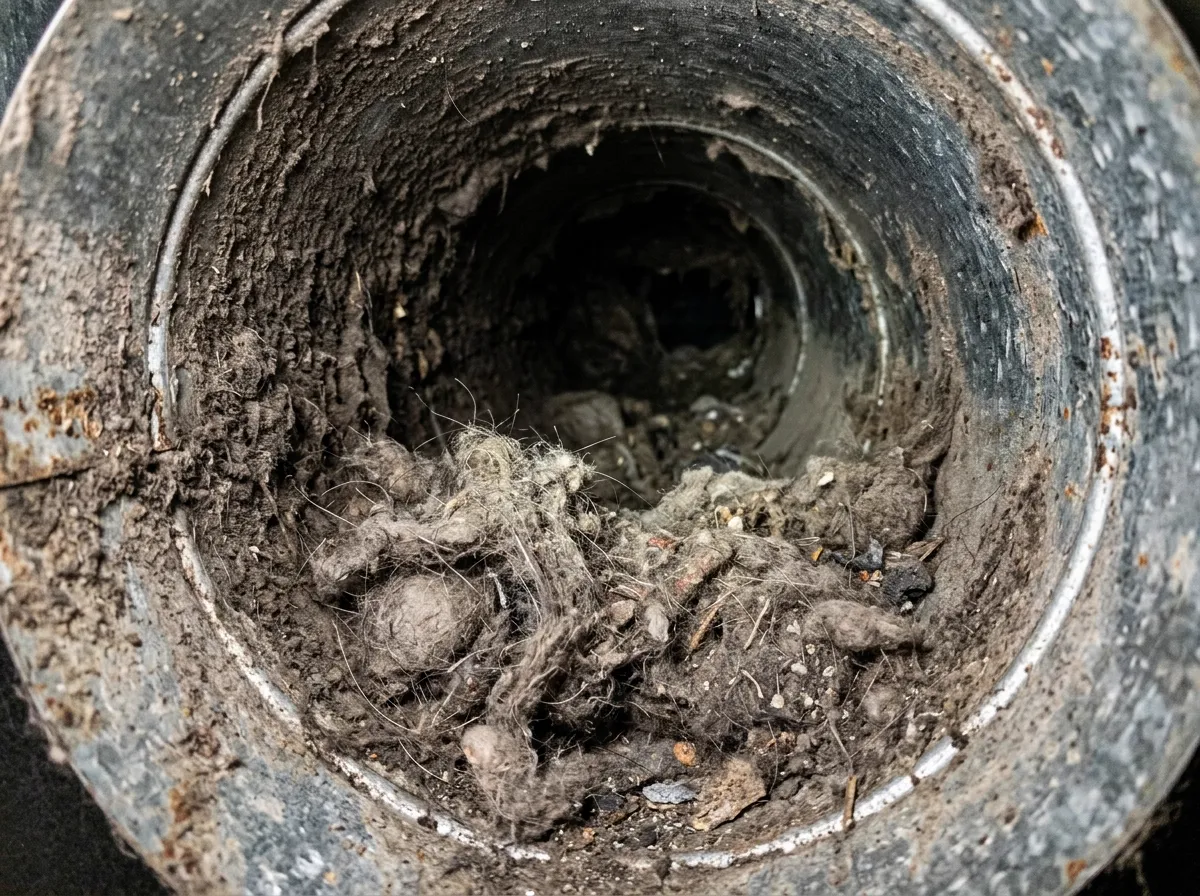
"They showed me the camera footage of what was in our ducts. I couldn't believe it. The difference after cleaning was immediate."
— Jennifer K., Capitol Hill DC
$299-$599
Duct cleaning and leak assessment. Whole-house humidifier installation is a separate service — we partner with trusted HVAC installers throughout the DMV.
What You Can Expect
Frequently Asked Questions
Static electricity becomes negligible above 40% relative humidity. The ideal indoor range is 30-50% — below 30% causes static, dry skin, and virus-friendly conditions; above 50% promotes mold growth. A hygrometer (available for $10-$15) lets you monitor your home's humidity levels.
Don't Live With This Problem Another Day
Our licensed and insured technicians can diagnose and solve the problem — usually in a single visit. Free inspection, no obligation.