Pet Smell Coming Through Your Air Vents?
If you smell your pets when the HVAC kicks on, your ductwork has become a distribution system for pet dander, hair, and the bacteria that cause odors.
Signs Pet Contaminants Are in Your Ducts
Check how many of these apply to your home:
The Data Is Clear
Pet dander particles are just 2.5 microns — small enough to stay airborne for hours and penetrate deep into the lungs. A single dog or cat produces enough dander to coat the inside of a typical home's ductwork within 2-3 years. For the 30% of Americans with pet allergies, contaminated ductwork means constant allergen exposure.
Why Your Ducts Smell Like Pets
Pet Hair and Dander Accumulation
Pet hair and microscopic dander get pulled into the return vents and accumulate inside the duct system. Over time, a thick layer of pet hair, dander, and dust forms inside the ducts — creating a reservoir of allergens and odor-causing material that your HVAC recirculates constantly.
Pet Urine Near Vents
If a pet has urinated near or on a floor register, urine can flow down into the duct below. Once urine dries inside a duct, the odor is nearly impossible to eliminate without professional cleaning and sanitization. This is more common than homeowners realize — especially in homes with puppies or senior pets.
Bacteria and Biofilm in Humid Ducts
Pet dander is organic material. In the warm, sometimes humid environment inside ducts — especially during DMV summers — bacteria feed on this organic material and produce odor compounds. A biofilm layer can form inside the ducts that produces a persistent pet-like odor.
Evaporator Coil Contamination
The wet evaporator coil is a magnet for pet dander. Hair and dander stick to the moist coil surface, and bacteria thrive in this warm, wet environment. Every time the AC runs, air blows across this contaminated coil and carries odors throughout the house.
How We Eliminate Pet Odors from Your Ducts
Our professional process addresses the root cause — not just the symptoms.
HD Camera Inspection
We inspect the duct interior to assess the level of pet hair and dander accumulation and identify any urine contamination in floor ducts.
Complete Duct Cleaning
High-powered vacuum and agitation equipment removes pet hair, dander, dust, and debris from every duct run, register, and the air handler.
Antimicrobial Treatment
EPA-registered antimicrobial treatment kills odor-causing bacteria inside the duct system. This is especially important for urine contamination.
Ongoing Protection Plan
We recommend filter upgrades (MERV 11+ to capture pet dander) and a maintenance schedule based on the number and type of pets in your home.
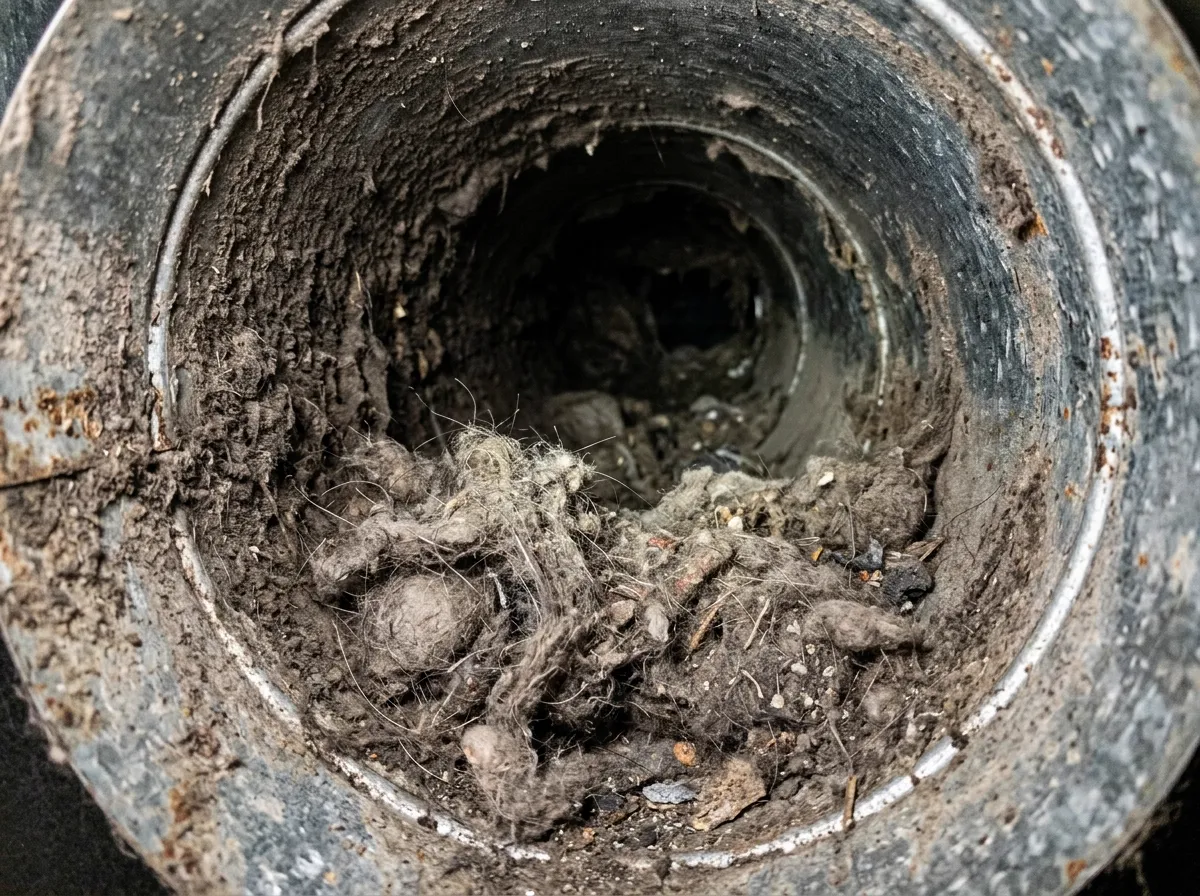
"They showed me the camera footage of what was in our ducts. I couldn't believe it. The difference after cleaning was immediate."
— Jennifer K., Capitol Hill DC
$349-$649
Duct cleaning with antimicrobial treatment. Homes with heavy pet contamination or urine in the ducts may require additional sanitization.
What You Can Expect
Frequently Asked Questions
With one or two pets, every 2-3 years. With three or more pets, or pets that shed heavily (Huskies, Labs, German Shepherds), every 1-2 years. If anyone in the household has pet allergies, annual cleaning is recommended. Use MERV 11 or higher filters and change them every 60 days to extend the time between cleanings.
Don't Live With This Problem Another Day
Our licensed and insured technicians can diagnose and solve the problem — usually in a single visit. Free inspection, no obligation.