White Dust or Powder Coming From Your Air Vents?
Finding white residue on surfaces near your vents is alarming — and the cause matters. Some sources are harmless, others require immediate action.
What That White Dust Actually Is
Check how many of these apply to your home:
The Data Is Clear
White dust from air vents can be mineral deposits (harmless), drywall dust (lung irritant), or white mold (health hazard). Without identification, you may be inhaling crystalline silica from construction dust or Aspergillus mold spores — both of which can cause serious respiratory damage with prolonged exposure.
What Causes White Dust From HVAC Vents
Ultrasonic Humidifier Mineral Deposits
The most common cause. Ultrasonic humidifiers aerosolize minerals from tap water (calcium, magnesium, silica). Your HVAC system picks up these microscopic particles and distributes them through the ducts. DMV tap water from WSSC and Fairfax Water is moderately hard, producing noticeable mineral dust. The fix is simple: use distilled water or switch to an evaporative humidifier.
Drywall Dust from Construction or Renovation
If you have had any construction work done recently — or if your home is new construction — drywall dust trapped in the ductwork is the likely culprit. Gypsum dust is extremely fine and can circulate for months after the source is gone.
Deteriorating Duct Insulation
Older fiberglass duct liner or insulation wrap can deteriorate and shed white or gray fibers into the airstream. This is common in DMV homes with original ductwork from the 1970s-1990s. Fiberglass fibers are a respiratory irritant and should be addressed.
White Mold (Aspergillus)
Some mold species appear white, especially in early growth stages. White mold on duct interiors or near the evaporator coil can release spores that appear as white dust. This is more common in homes with moisture problems — leaky ducts, high humidity, or condensation issues common in DMV summers.
How We Identify and Eliminate White Dust
Our professional process addresses the root cause — not just the symptoms.
Source Identification
We inspect your HVAC system, check for humidifiers, examine duct insulation condition, and look for signs of mold. Knowing the cause determines the right solution.
Duct Interior Inspection
HD camera inspection reveals whether the dust source is mineral deposits, deteriorating insulation, construction debris, or biological growth inside the ductwork.
Complete Duct Cleaning
High-powered vacuum extraction and agitation removes accumulated dust — whatever the source — from all duct runs, registers, and the air handler.
Insulation Assessment
If deteriorating duct liner is the source, we document the condition and provide repair or replacement recommendations to prevent future shedding.
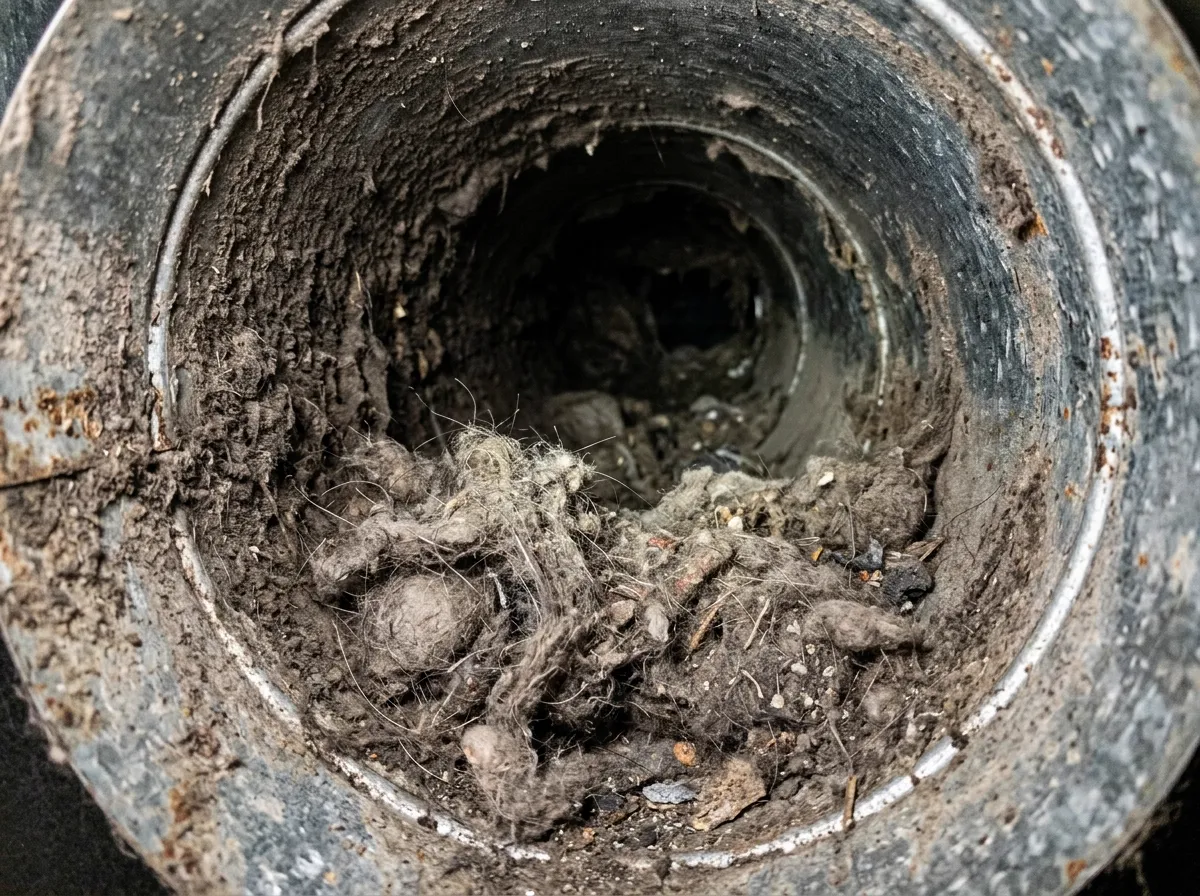
"They showed me the camera footage of what was in our ducts. I couldn't believe it. The difference after cleaning was immediate."
— Jennifer K., Capitol Hill DC
$299-$599
Standard duct cleaning. If duct insulation replacement is needed, costs vary based on duct length and material. We always diagnose the root cause before recommending any work.
What You Can Expect
Frequently Asked Questions
If you use an ultrasonic humidifier, unplug it for a week and see if the white dust decreases. Ultrasonic humidifiers create a fine mineral mist that your HVAC circulates. Switch to distilled water or an evaporative humidifier to eliminate the problem. Whole-house evaporative humidifiers connected to your HVAC do not cause this issue.
Don't Live With This Problem Another Day
Our licensed and insured technicians can diagnose and solve the problem — usually in a single visit. Free inspection, no obligation.