Your Carpets Are Harboring More Than You Think
Every square foot of carpet traps pounds of dirt, allergens, bacteria, and contaminants that vacuuming alone cannot remove. Here is what DMV homeowners need to know.
Contaminants / Year
Dust Mites / Sq Ft
Allergens Trapped
What's Lurking in Your Carpet
Your carpet is the largest air filter in your home -- and it hasn't been cleaned in how long?
Dust Mites
Up to 100,000 dust mites can live in a single square foot of carpet. Their waste particles are a leading trigger for allergies and asthma attacks.
Health Impact
Allergic rhinitis, asthma flare-ups, eczema
Pet Dander
Microscopic skin flakes from cats and dogs become embedded deep in carpet fibers where vacuums cannot reach, recirculating with every footstep.
Health Impact
Respiratory irritation, pet allergy symptoms
Mold Spores
The DMV's high humidity creates ideal conditions for mold growth beneath carpet fibers, especially in basements and near exterior walls.
Health Impact
Chronic cough, sinus infections, headaches
Bacteria & Germs
Studies show carpets harbor 200,000 bacteria per square inch -- 4,000 times more than a toilet seat. E. coli, staph, and salmonella are commonly found.
Health Impact
Stomach illness, skin infections, weakened immunity
Food Particles
Crumbs and food residue ground into carpet fibers attract insects, feed bacteria colonies, and create persistent odors that air fresheners only mask.
Health Impact
Attracts pests, increases bacterial growth
Outdoor Pollutants
Shoes track in pesticides, lead dust, road chemicals, and pollen that settle deep into carpet pile. The average household brings in 16 lbs of dirt yearly on shoes alone.
Health Impact
Chemical exposure, respiratory distress, allergies
See the Difference
Real results from DMV homeowners. No filters, no tricks -- just professional deep cleaning.
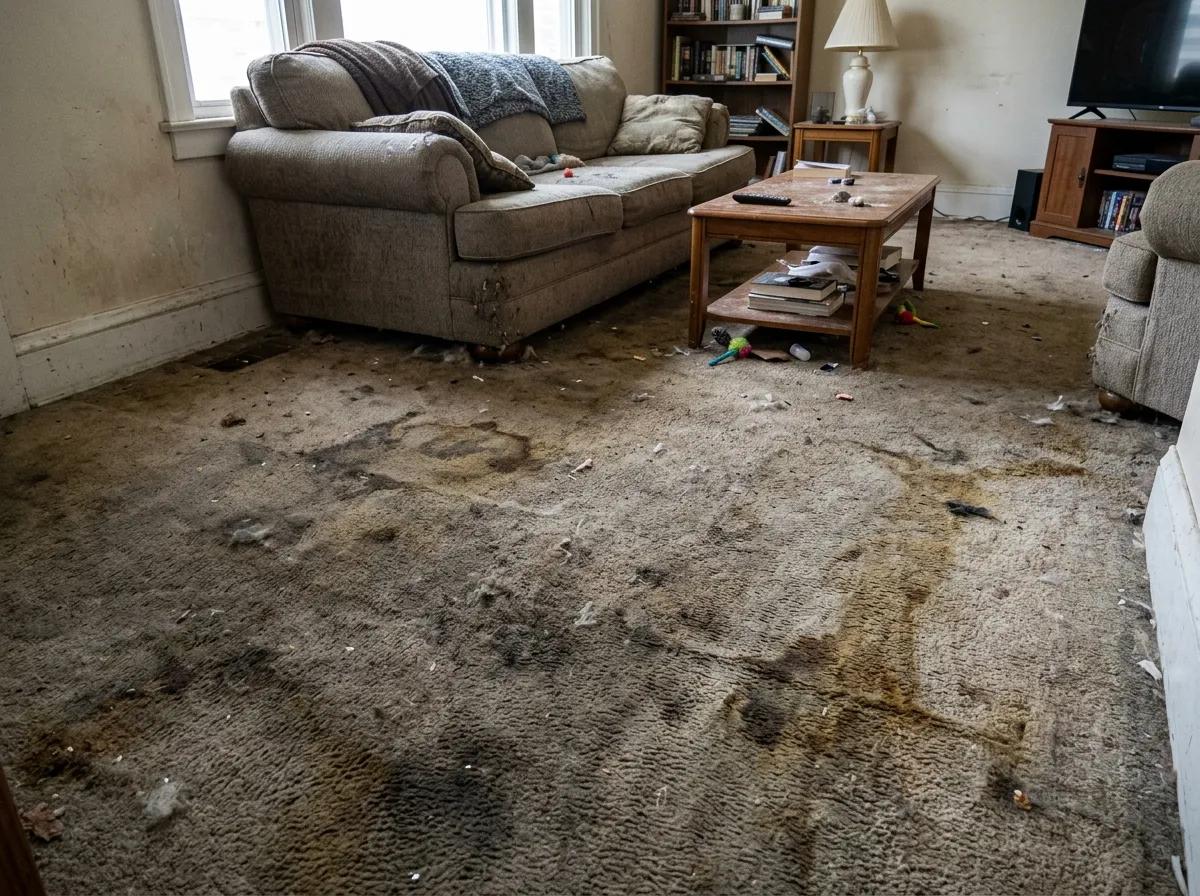
Stains, dirt, and years of buildup
Vacuuming alone removes less than 15% of deep contaminants

Restored, fresh, and allergen-free
Professional extraction removes 99% of contaminants from deep fibers
Our Carpet Cleaning Methods
We match the right method to your carpet type and condition for optimal results.
Hot Water Extraction
High-pressure heated water injected deep into carpet fibers, then immediately extracted with powerful suction.
Pros
- Deepest clean possible
- Removes 99% of contaminants
- Manufacturer recommended
- Kills bacteria and dust mites
Considerations
- Longer dry time (4-6 hrs)
- Not for all delicate fibers
Best For
Most residential carpets, heavy soiling, pet stains
Steam Cleaning
True steam at 200+ degrees sanitizes and loosens dirt while extraction removes dissolved contaminants.
Pros
- Chemical-free option
- Superior sanitization
- Great for allergies
- Eco-friendly process
Considerations
- Higher equipment cost
- Requires skilled technician
Best For
Allergy sufferers, chemical-sensitive households
Dry Cleaning
Specialized compound absorbs dirt from carpet fibers and is then vacuumed away with minimal moisture.
Pros
- Ready to walk on immediately
- No risk of over-wetting
- Good for commercial spaces
- Fast turnaround
Considerations
- Less deep penetration
- May leave residue
Best For
Commercial carpets, quick turnaround needs
Encapsulation
Synthetic polymer encapsulates dirt particles into crystals that are vacuumed away after drying.
Pros
- Very fast dry time
- Low moisture process
- Prevents re-soiling
- Excellent maintenance method
Considerations
- Not ideal for heavy soiling
- Maintenance method only
Best For
Maintenance between deep cleans, light soiling
Room-by-Room Carpet Guide
Each room presents unique carpet challenges. Here is what to know about each area.
Living Room
Highest traffic area with food spills, pet activity, and foot traffic from shoes.
- Vacuum high-traffic paths 3-4 times per week
- Treat spills immediately -- blot, never rub
- Place entry mats to capture shoe dirt before it reaches carpet
- Professional clean every 6 months for active families
Bedrooms
Dust mite hotspot due to skin cells, body oils, and warmer temperatures overnight.
- Vacuum under and around the bed weekly
- Use hypoallergenic carpet treatments for allergy sufferers
- Keep bedroom doors open during the day for ventilation
- Steam cleaning recommended for dust mite elimination
Stairs & Landings
Concentrated foot traffic on narrow surfaces causes accelerated wear patterns.
- Vacuum stairs at least twice weekly with a hand attachment
- Address worn spots promptly -- they attract more dirt
- Consider stair runners or protective treads in high-use areas
- Professional cleaning restores crushed pile and evens out wear
Hallways & Entries
First point of contact for outdoor dirt, mud, salt, and pollen tracked inside.
- Dual mat system: coarse outdoor mat + indoor absorbent mat
- Vacuum daily in entry areas during wet or snowy seasons
- Apply carpet protectant after professional cleaning for longevity
- Schedule professional cleaning before dirt becomes embedded
When to Clean Your Carpets
The right frequency depends on your household. Here is our recommended timeline.
Standard Households
For homes with 1-2 adults, no pets, and light-to-moderate foot traffic. This schedule maintains carpet warranty coverage and prevents deep soil buildup.
Pets, Kids, or Allergies
Households with pets, young children, allergy sufferers, or anyone who wears shoes indoors should clean more frequently to control contaminant accumulation.
Move-In / Move-Out
Deep cleaning before moving in ensures you start fresh in a sanitized home. Cleaning before moving out protects security deposits and leaves the home ready for the next occupant.
After Water Damage
Any carpet exposed to flooding, leaks, or excess moisture must be professionally extracted and treated within 24-48 hours to prevent mold growth and permanent damage.
Before / After Events
Hosting a holiday gathering, party, or open house? Schedule cleaning 1-2 weeks before for fresh presentation, and again after to address any spills or high traffic.
DIY vs Professional Cleaning
Understanding the real difference can save you money, time, and your carpets.
DIY Rental Machine
Grocery store / home center rental
- Limited suction power (1/10th of truck-mounted)
- Leaves soap residue that attracts more dirt
- Can over-wet carpet, causing mold underneath
- Water temperature often below 150 degrees
- No pre-treatment for stains or high-traffic areas
- Risk of carpet shrinkage and delamination
- Drying time: 12-24+ hours
- Previous renters' dirty water in the machine
Professional Service
Truck-mounted extraction system
- Truck-mounted system: 10-20x more suction power
- No residue left behind -- rinse-free extraction
- Controlled moisture prevents mold and overwetting
- Water heated to 200-230 degrees for deep sanitization
- Customized pre-treatments for each stain type
- Trained technicians protect carpet integrity
- Drying time: 4-6 hours (2-3 with fans)
- 100% satisfaction guarantee or your money back
Free quote. No obligation. Same-day availability.
Why DMV Carpets Need Special Attention
The Washington DC, Virginia, and Maryland climate creates unique challenges for carpet care year-round.
DMV Humidity Impact
The Mid-Atlantic region averages 65-75% relative humidity during summer months. This moisture seeps into carpet padding, creating an ideal breeding ground for mold, mildew, and dust mites. Homes in low-lying areas of DC, the Potomac River corridor, and Maryland's coastal zones are especially vulnerable.
DMV Homeowner Alert
Basements and ground-floor carpets in the DMV region absorb up to 30% more moisture than national averages due to our subtropical humidity. If you have not had your carpets professionally extracted in over a year, hidden moisture damage may already be developing beneath the surface.
Seasonal Considerations
Spring (March - May)
Peak pollen season in the DMV. Cherry blossom season and tree pollen tracked inside on shoes and clothing. Schedule cleaning in late May after pollen subsides for best results.
Summer (June - August)
Highest humidity levels cause moisture absorption in carpet padding. AC condensation and summer storms increase mold risk. Deep extraction removes trapped moisture before it becomes mold.
Fall (September - November)
Ragweed season brings a second wave of allergens. Fallen leaves tracked inside decompose and feed carpet bacteria. Clean before the holiday season for fresh, guest-ready carpets.
Winter (December - February)
Road salt, ice melt chemicals, and mud tracked from DMV streets cause carpet staining and fiber damage. The chemical residue attracts more dirt if not professionally removed.
Washington, DC
Row homes and older buildings with limited ventilation trap moisture in carpets. Georgetown, Capitol Hill, and Navy Yard properties often have basement-level carpet that requires extra attention.
Northern Virginia
Newer construction in Fairfax, Arlington, and Loudoun County uses builder-grade carpet that stains easily. Alexandria and Reston townhomes see heavy foot traffic patterns on stairs and entries.
Maryland
Bethesda, Silver Spring, and Rockville homes near Rock Creek experience higher moisture levels. Bowie and Columbia properties with large lawns track in more organic debris year-round.
Carpet Cleaning FAQ
Common questions from DMV homeowners about professional carpet cleaning.
Your Carpets Deserve Better
Every day your carpets go without professional cleaning, contaminants multiply. Get a free, no-obligation quote and see why thousands of DMV homeowners trust us with their carpets.
- 100% Satisfaction Guarantee or Money Back
- Eco-Safe, Non-Toxic Cleaning Solutions
- Same-Day Service Across 300+ DMV Locations
- 4.9-Star Rating from 847+ Verified Reviews
- $2M Liability Insurance on Every Job